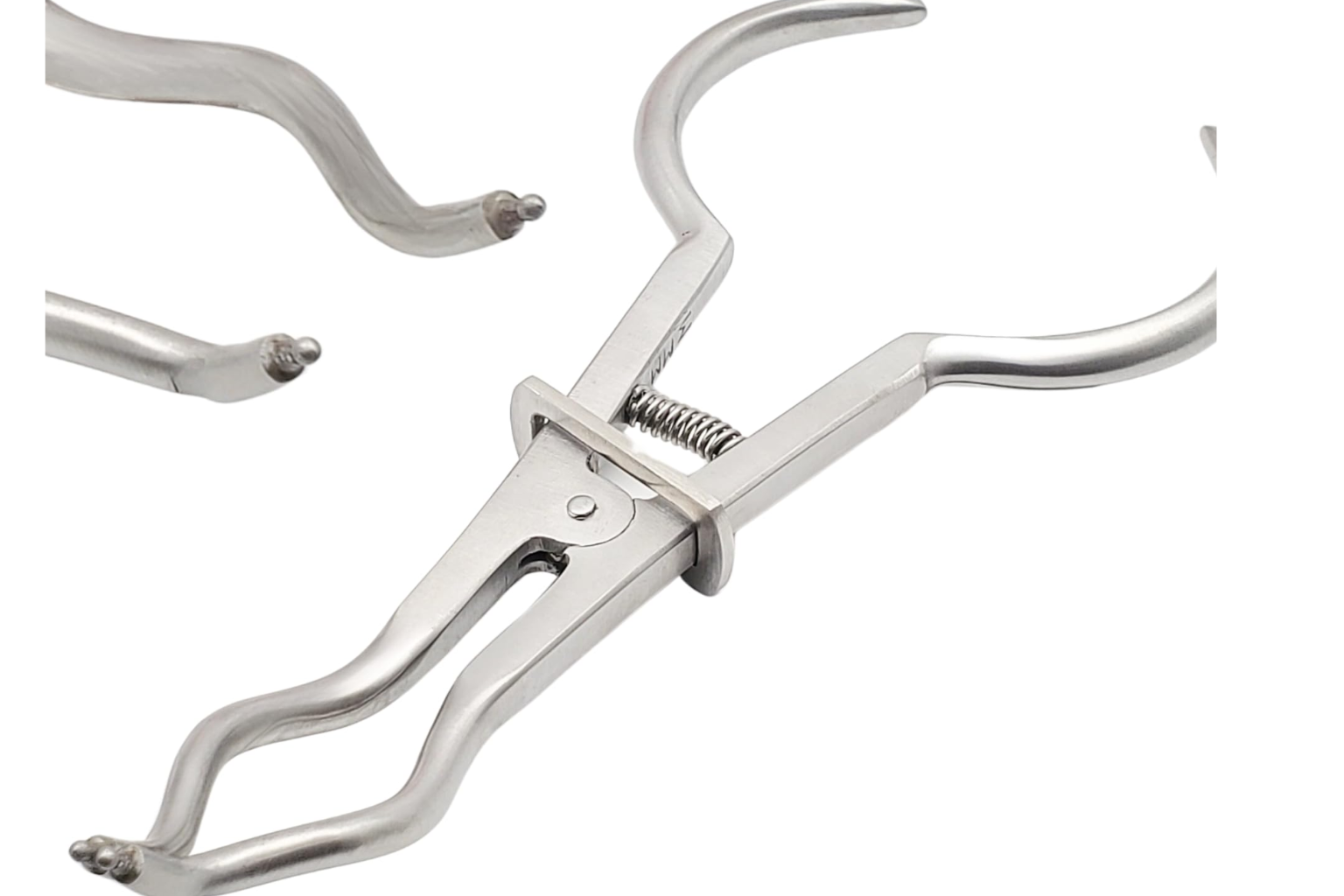
Where Steady Hands Meet Smart Design: The Quiet Importance of Surgical Gripping Tools

The Tools You Never Notice — Until They Matter
It’s funny how, when we think about surgery, our minds tend to jump straight to the big stuff. Surgeons in masks. Bright lights. High-tech monitors showing heart rates and vital signs. Maybe even robotic arms moving with futuristic precision.
But rarely do we think about the small tools lying quietly on a surgical tray — the ones that don’t look dramatic at all, yet quietly determine whether a procedure feels smooth or frustrating, safe or risky.
And in truth, some of the most important instruments in any operating room aren’t flashy machines. They’re simple, carefully designed tools that allow surgeons to hold, control, and stabilize what they’re working on.
Without these, even the most advanced medical technology would feel incomplete.
The Role of Grip in Surgical Precision
If you’ve ever tried doing delicate work — fixing a watch, threading a needle, or even untangling a knot in fine jewelry — you already understand how crucial grip is. Too loose, and things slip. Too tight, and you risk damaging what you’re holding.
Surgery operates on that same principle, just at a much higher level of complexity.
This is where surgical pliers come into play. These specialized instruments are designed to provide a firm, controlled grip on tissues, wires, or small surgical components without causing unnecessary trauma.
Unlike everyday pliers, surgical versions are engineered with extraordinary attention to detail. Their surfaces are often finely textured to prevent slipping, and their handles are shaped to reduce hand fatigue during long procedures.
What’s fascinating is how much these tools influence surgical rhythm. When a surgeon trusts their grip, their movements become smoother, more confident. There’s less hesitation, fewer adjustments — and that, in turn, contributes to a safer environment for the patient.
Why Holding Something Securely Is More Complex Than It Sounds
At first glance, gripping seems simple. But in surgery, it’s anything but.
Different tissues require different handling approaches. Some must be held firmly; others need an almost feather-light touch. That’s why surgeons rely heavily on specialized grip instruments designed for specific tasks.
Some are meant for holding sutures in place. Others stabilize organs during procedures. Still others help position implants or assist in delicate dissections.
Each instrument serves a distinct purpose, and surgeons often become deeply familiar with how each one feels. Over time, they learn subtle differences — the exact pressure needed, the angle that offers the best control, the moment when a grip should loosen or tighten.
It’s a kind of silent communication between human hands and mechanical design.
Precision That Extends Beyond Cutting
When people think about surgical tools, they often imagine cutting instruments — scalpels, scissors, blades. But gripping tools are equally important because they enable precise positioning and stability.
This is where precision tools truly shine. These instruments are built not just for strength but for accuracy at the smallest scale.
Imagine holding a tiny surgical implant in exactly the right place while securing it. Or gently manipulating a fragile tissue structure without damaging surrounding areas. These tasks require tools that respond instantly to even the smallest movements.
Precision tools allow surgeons to translate intention into action with remarkable consistency. They reduce guesswork, minimize errors, and support controlled, deliberate motion throughout procedures.
In many ways, they act as quiet partners in surgical success.
The Human Connection to Surgical Tools
One thing that often goes unnoticed is how personal surgical tools can feel to those who use them.
Surgeons don’t just pick up instruments randomly. Over years of experience, they develop preferences — certain designs feel more natural, certain handles provide better balance, certain textures offer greater confidence during delicate work.
It’s not unlike a musician choosing an instrument or a chef selecting a favorite knife. Familiarity builds trust, and trust allows professionals to focus fully on the task at hand.
There’s also a deeper emotional layer. In high-pressure situations, when every movement matters, reliable tools provide reassurance. They become part of the surgeon’s workflow — almost an extension of their hands.
Behind this reliability lies an entire support system. Sterilization teams ensure instruments remain safe for use. Engineers continuously refine designs. Manufacturers test durability under extreme conditions.
It’s a collaborative effort that rarely gets recognition but plays a crucial role in patient care.
Why Simple Tools Remain Essential in Modern Surgery
With advancements in robotic surgery and digital monitoring systems, one might assume that manual gripping tools are becoming less important.
But the opposite is true.
Even the most advanced technology relies on human control, and gripping instruments provide something machines cannot fully replicate — tactile feedback.
Surgeons can feel resistance, sense subtle changes in tissue texture, and adjust their movements instantly. This sensory input is invaluable during delicate procedures.
Additionally, manual tools offer unmatched reliability. They don’t depend on electricity or software. Properly maintained, they can function flawlessly for years, making them indispensable in both high-tech hospitals and resource-limited healthcare settings.
Sometimes, simplicity proves to be the most dependable solution.
Looking Toward the Future
Surgical gripping tools continue to evolve. Modern designs focus on improving ergonomics, reducing hand strain, and enhancing precision.
Advanced materials are being developed to make instruments lighter yet stronger. Some tools incorporate specialized coatings to improve grip and reduce wear over time.
There’s also growing interest in integrating smart features — such as sensors that provide real-time feedback on pressure levels during surgery.
These innovations aim to support both surgeon performance and patient safety, ensuring that even traditional tools remain relevant in an increasingly technological world.
A Quiet Contribution to Healing
Most patients will never see the tools used during their surgery. They’ll remember the experience differently — the reassurance of skilled doctors, the relief of recovery, the return to normal life afterward.
But behind every successful procedure lies a carefully arranged set of instruments, each playing its role with quiet precision.
Gripping tools may not attract attention, but their impact is profound. They enable control, support accuracy, and help transform surgical expertise into real, life-saving results.