
Key Points
There’s something oddly comforting about turning on the kitchen tap and watching a glass fill with clear water. It looks pure. It tastes… mostly fine. And yet, if we’re honest, most of us have wondered at least once: What’s actually in there? Water is one of those everyday essentials we rarely question until something feels…
There’s something oddly comforting about turning on the kitchen tap and watching a glass fill with clear water. It looks pure. It tastes… mostly fine. And yet, if we’re honest, most of us have wondered at least once: What’s actually in there?
Water is one of those everyday essentials we rarely question until something feels off. Maybe the taste changes slightly. Maybe there’s a faint smell you can’t quite place. Or perhaps you’ve read a news story about contaminants showing up in municipal supplies somewhere else and suddenly your own water doesn’t feel so simple anymore.
The truth is, water quality is one of those invisible aspects of home life. It works quietly in the background—until it doesn’t.
Related reading: Knowing When a Plumbing Problem Needs Immediate AttentionWhen Clear Water Isn’t Always Clean
Here’s the tricky part: water can look crystal clear and still contain substances you’d rather not drink. Minerals, metals, chlorine by-products, sediment, and sometimes even bacteria can find their way into household water systems.
Now, this doesn’t mean your tap water is automatically unsafe. In many places, municipal systems do a decent job treating it. But between treatment plants and your kitchen faucet, water travels through miles of pipes, storage tanks, and plumbing infrastructure. Along that journey, things can change.
A friend of mine once moved into an older home and couldn’t figure out why her tea tasted strangely metallic. Everything looked normal, but eventually she discovered that aging pipes were leaching small amounts of iron into the water. It wasn’t dangerous, but it certainly wasn’t pleasant either.
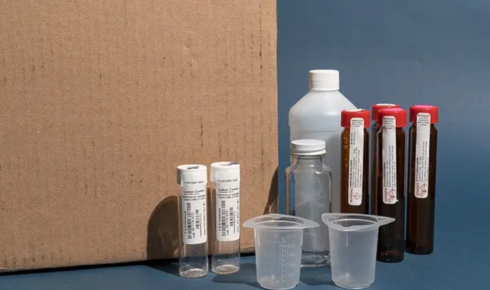
Related reading: Why Soft Water Can Quietly Transform the Way Your Home Feels Every DayThat’s when she started looking into test kits—simple tools that give homeowners a quick snapshot of what’s actually present in their water.
The Rise of DIY Water Awareness
Not long ago, checking your home’s water quality meant sending samples to a lab and waiting weeks for results. Today, things are a little more practical. Homeowners can now run basic checks themselves, often within minutes.
These small kits typically measure common concerns like pH levels, hardness, chlorine, and certain metals. Some even test for nitrates or bacteria. While they don’t replace professional analysis for serious contamination issues, they offer something valuable: awareness.
Related reading: Why Investing in Better Drinking Water Is One of the Best Decisions for Your HomeAnd awareness changes how people think about water.
Once you know what’s in your water, decisions about filtration or treatment suddenly feel less like guesswork and more like informed choices.
Why Water Quality Matters More Than We Realize
Water touches nearly every part of daily life—far beyond the obvious act of drinking it.
Related reading: When Is It Time to Upgrade Your Home Water Treatment System? Signs You Shouldn’t IgnoreThink about it. We cook with it. Brew coffee with it. Wash fruits and vegetables. Bathe in it. Even the lifespan of appliances like dishwashers and water heaters can be affected by mineral content.
Hard water, for example, leaves behind those chalky white spots on glassware and faucets. Over time, it can also reduce the efficiency of plumbing systems. Excess chlorine might protect water during treatment, but it can affect taste and smell once it reaches your home.
This is why so many households eventually explore different water quality products designed to improve the taste, safety, or clarity of their supply.
Related reading: When It’s Time to Rethink Your Cooling: A More Honest Look at Home ComfortSome focus on reducing chlorine. Others target heavy metals or sediment. A few aim to balance pH levels or soften mineral-heavy water. It’s a surprisingly broad world once you step into it.
Small Fixes vs. Whole-Home Solutions
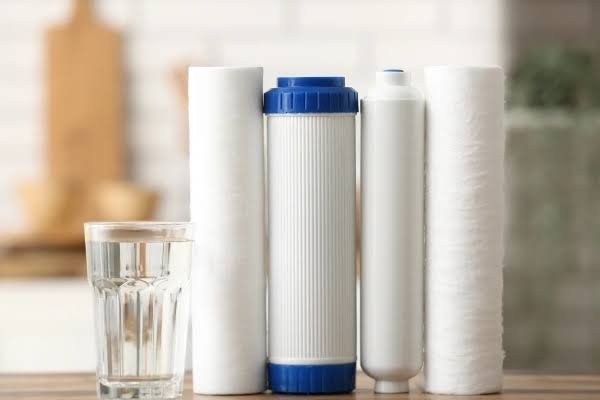
For some people, improving water quality is as simple as installing a filter on the kitchen faucet. That works well if drinking water is the main concern.
But what happens when water issues extend beyond the kitchen?
Imagine stepping out of the shower and noticing dry skin every morning. Or realizing that your washing machine keeps accumulating scale buildup. Sometimes these are small annoyances, but they hint at something bigger—water quality affecting the entire household.
That’s where whole home filter products come into the conversation.
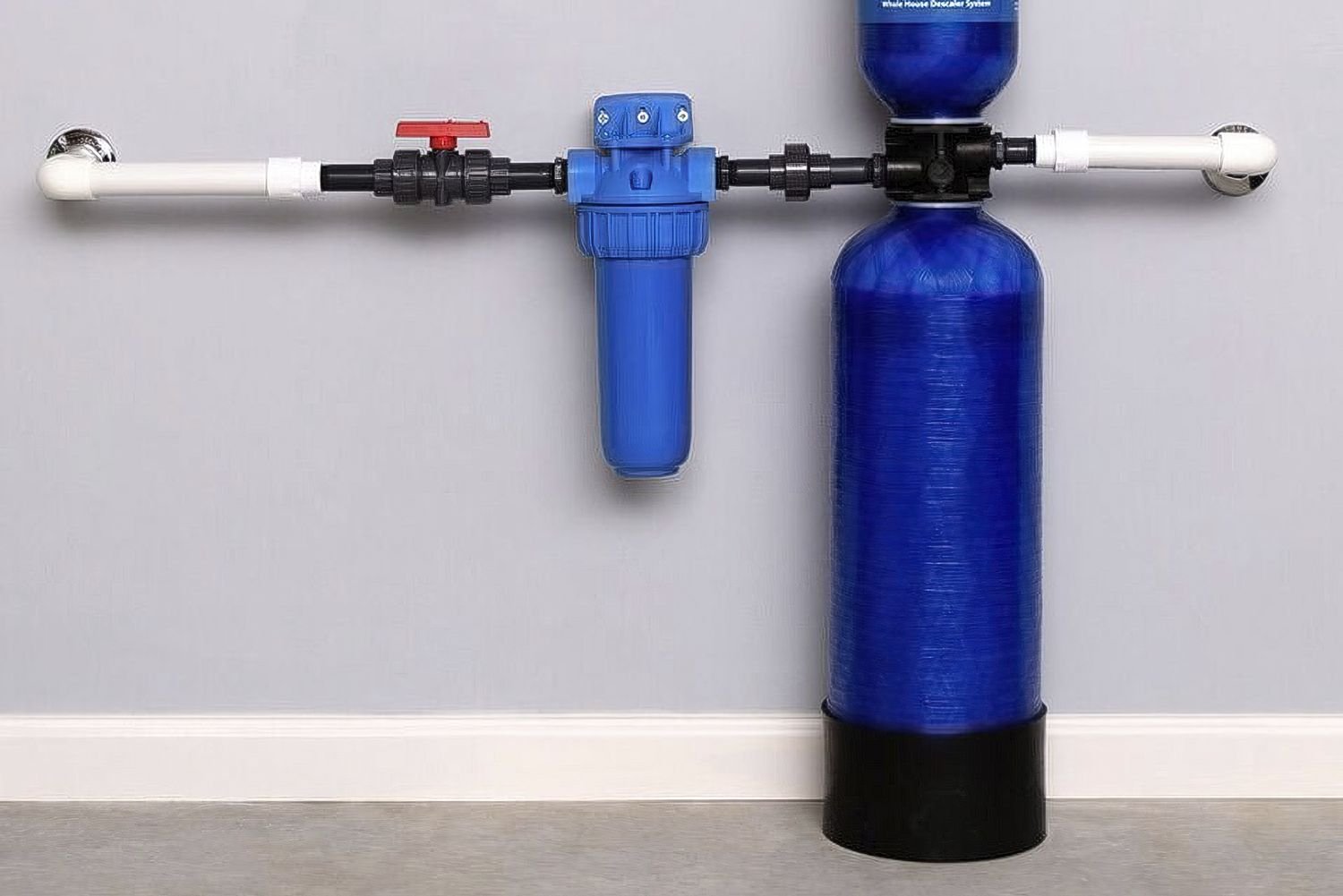
Instead of filtering water at a single tap, these systems treat water as it enters the home. In other words, every faucet, shower, and appliance receives filtered water. The difference can be surprisingly noticeable.
People often report softer laundry, clearer ice cubes, and even better-tasting coffee. It’s not magic—it’s simply cleaner water flowing through the entire plumbing system.
The Personal Side of Clean Water
What fascinates me most about water quality isn’t the science (though that’s interesting too). It’s the personal side of it.
Everyone has their own reason for caring.
A parent might worry about what their kids drink every day. A coffee enthusiast might chase that perfect cup without mineral interference. Someone with sensitive skin might just want gentler showers.
Water quality sits quietly behind all those everyday moments.
And once people start paying attention, they rarely go back to ignoring it.
A Final Thought
If there’s one takeaway from all this, it’s that water quality isn’t just a technical issue—it’s a household one. Something that shapes daily routines in ways we don’t always notice.
The good news? Understanding your water is easier than ever. Whether it starts with curiosity, a strange taste, or a recommendation from a neighbor, that first step often leads to better awareness and smarter choices.
Because at the end of the day, clean water shouldn’t be something we simply assume. It’s something worth understanding. And once you do, even that ordinary glass of water feels a little more reassuring.
Related Posts
Same section · next recordsHOM-0668 · 22 Aug 2026 · Home Services

Knowing When a Plumbing Problem Needs Immediate Attention
Most plumbing problems don’t announce themselves with much drama. A faucet starts dripping. A…
HOM-0660 · 28 Jul 2026 · Home Services
Why Soft Water Can Quietly Transform the Way Your Home Feels Every Day
It Usually Starts With Something Small Most homeowners don’t wake up one morning and…
HOM-0656 · 28 Jul 2026 · Home Services
Why Investing in Better Drinking Water Is One of the Best Decisions for Your Home
There’s a certain comfort in turning on the kitchen faucet and knowing the water…