
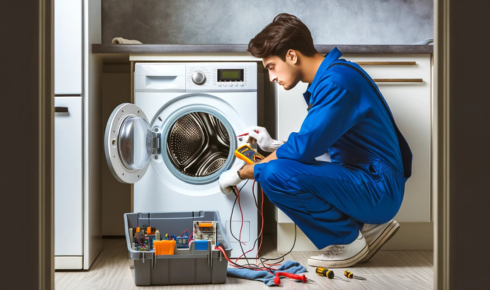
Key Points
There’s something quietly frustrating about a washing machine that refuses to spin or a dryer that leaves clothes damp after a full cycle. It rarely happens at a convenient time either—usually right when the laundry basket is overflowing and the week already feels too busy. Most homeowners don’t think much about their appliances until something…
There’s something quietly frustrating about a washing machine that refuses to spin or a dryer that leaves clothes damp after a full cycle. It rarely happens at a convenient time either—usually right when the laundry basket is overflowing and the week already feels too busy. Most homeowners don’t think much about their appliances until something goes wrong. Then suddenly, the humble washer and dryer become the most important machines in the house.
The truth is, modern home appliances are incredibly reliable. But like anything mechanical, they need a little attention from time to time. A strange noise, a longer drying cycle, or a washer that vibrates more than usual might be trying to tell you something. Ignoring those signals can turn a small fix into an expensive repair later on.
Let’s talk about how to recognize those early warning signs and keep your laundry appliances working the way they should.
Related reading: Knowing When a Plumbing Problem Needs Immediate AttentionThe Everyday Reality of Appliance Wear and Tear
Most washers and dryers are built to last years—often a decade or more. But daily use slowly adds up. Think about it. A family might run five to ten loads of laundry each week. Over time, that’s thousands of cycles.
Motors spin. Belts stretch. Filters collect lint. Water lines experience pressure. Even the most durable parts eventually start showing signs of fatigue.
One of the biggest misconceptions homeowners have is assuming appliances fail suddenly. In reality, many problems develop gradually. The machine usually whispers before it screams.
Related reading: Why Soft Water Can Quietly Transform the Way Your Home Feels Every DayMaybe the washer becomes slightly louder.
Maybe the dryer takes ten minutes longer than it used to.
Maybe there’s a faint burning smell you can’t quite place.
Those little clues matter more than most people realize.
Why Early Detection Makes a Big Difference
Catching a problem early can make repairs dramatically simpler—and cheaper. A clogged vent, for example, might only take fifteen minutes to clean but can cause overheating if left unattended. Over time, that heat stresses internal components.
Related reading: Why Investing in Better Drinking Water Is One of the Best Decisions for Your HomeSimilarly, a washer with an unbalanced drum might start as a mild wobble. Ignore it long enough and internal suspension parts can wear down faster than expected.
This is where washer diagnostics becomes useful. By observing behavior—strange noises, unusual vibrations, or error codes—you can often pinpoint the issue before it becomes serious.
Some modern washers even provide built-in diagnostic modes that display error messages. Older machines don’t have that luxury, but they still give hints if you pay attention.
Related reading: When Is It Time to Upgrade Your Home Water Treatment System? Signs You Shouldn’t IgnoreListening carefully to your appliance can sometimes tell you more than any manual.
The Overlooked Importance of Dryer Care
Dryers are surprisingly simple machines, yet they’re often neglected the most. People clean the lint trap—hopefully—but that’s usually where maintenance stops.
What many homeowners don’t realize is that lint doesn’t stay confined to the filter. Tiny fibers travel through the vent system and slowly accumulate along the duct. Over time, that buildup restricts airflow.
Related reading: When It’s Time to Rethink Your Cooling: A More Honest Look at Home ComfortRestricted airflow means longer drying times and higher energy bills. It can also cause overheating, which stresses heating elements and thermostats.
Regular dryer maintenance helps prevent these issues. Cleaning the vent line once or twice a year keeps air moving freely and allows the dryer to operate efficiently.
And honestly, it’s one of the easiest maintenance tasks around. A simple vent brush or vacuum attachment can make a noticeable difference.
Simple Habits That Extend Appliance Life
You don’t need to be a technician to take better care of your appliances. A few small habits can dramatically improve their longevity.
For instance, avoid overloading the washer. It might seem harmless to stuff in that extra towel or pair of jeans, but heavy loads strain the motor and suspension system.
Using the right amount of detergent matters too. Too much soap doesn’t clean better—it actually creates residue buildup inside the drum and hoses.
With dryers, airflow is everything. Make sure the vent hose isn’t crushed behind the machine. Check outside vent openings occasionally to ensure they aren’t blocked by debris, leaves, or even curious birds.
Small checks like these take minutes, yet they prevent problems that might otherwise cost hundreds of dollars.
When Something Just Doesn’t Feel Right
Sometimes you can’t immediately explain what’s wrong with an appliance—it just seems off. Maybe the washer pauses mid-cycle, or the dryer drum squeaks every few rotations.
Those moments are worth paying attention to.
A little curiosity goes a long way when it comes to home appliance troubleshooting. Searching for model-specific symptoms online or checking the manufacturer’s manual often reveals surprisingly simple solutions.
Loose hoses, clogged filters, and worn belts account for a huge portion of appliance problems. Many fixes are straightforward enough that a homeowner with basic tools can handle them.
Of course, there are times when calling a professional makes sense. Electrical faults or control board failures can require specialized expertise. But at least you’ll approach the repair conversation with a better understanding of what’s happening.
Technology Is Changing Appliance Care
Today’s appliances are smarter than ever. Many modern models connect to mobile apps that provide diagnostic alerts, maintenance reminders, and usage reports.
It’s a small shift, but it’s changing how people care for their machines.
Instead of discovering problems only after a failure, smart appliances can warn users about airflow restrictions, unbalanced loads, or overheating components. That early insight allows homeowners to respond before things escalate.
Still, even the smartest appliances benefit from basic attention and routine care.
Technology helps—but it doesn’t replace common sense.
A Final Thought on Taking Care of What Takes Care of You
Laundry appliances rarely get much appreciation. They quietly handle one of the most repetitive tasks in our homes—week after week, year after year.
Yet when they stop working, daily life suddenly feels more complicated.
The good news is that keeping them healthy isn’t complicated at all. Paying attention to small changes, performing occasional cleaning, and addressing minor issues early can extend the life of a washer or dryer significantly.
Think of it less as maintenance and more as a simple habit of awareness.
After all, the machines that help keep our homes running smoothly deserve a little attention in return. And if that attention saves you from a surprise repair bill down the road… well, that’s not a bad bonus either.
Related Posts
Same section · next recordsHOM-0668 · 22 Aug 2026 · Home Services
Knowing When a Plumbing Problem Needs Immediate Attention
Most plumbing problems don’t announce themselves with much drama. A faucet starts dripping. A…
HOM-0660 · 28 Jul 2026 · Home Services
Why Soft Water Can Quietly Transform the Way Your Home Feels Every Day
It Usually Starts With Something Small Most homeowners don’t wake up one morning and…
HOM-0656 · 28 Jul 2026 · Home Services

Why Investing in Better Drinking Water Is One of the Best Decisions for Your Home
There’s a certain comfort in turning on the kitchen faucet and knowing the water…