
Key Points
Water is one of those things most of us take for granted until something starts to feel off. Maybe soap refuses to lather properly, white marks keep appearing on the kitchen faucet, or drinking water has a taste that makes you reach for a bottled alternative. These little frustrations can become part of everyday life,…
Water is one of those things most of us take for granted until something starts to feel off. Maybe soap refuses to lather properly, white marks keep appearing on the kitchen faucet, or drinking water has a taste that makes you reach for a bottled alternative. These little frustrations can become part of everyday life, but they don’t have to be. The right water treatment system can make a noticeable difference, and renting one may be a sensible way to get started without committing to a major purchase.
For homeowners and renters alike, water treatment rentals offer flexibility, professional support, and a chance to address specific water problems. The trick is understanding what your household actually needs rather than choosing equipment based on a sales pitch.
Start by Understanding Your Water
Before selecting a treatment system, take a closer look at the water entering your home. Municipal water supplies are generally treated to meet drinking water standards, but that doesn’t mean every household will have the same experience. Water can vary in hardness, mineral content, taste, odor, and other characteristics depending on its source and the plumbing it passes through.
Related reading: Knowing When a Plumbing Problem Needs Immediate AttentionHard water is a common example. It contains elevated levels of minerals, particularly calcium and magnesium. Although these minerals aren’t usually a health concern, they can leave deposits on showerheads, shorten the life of certain appliances, and make laundry feel less soft than expected.
Other households may be more concerned about chlorine taste, sediment, or the quality of water used for drinking and cooking. Private well owners have additional considerations because their water quality can change with weather, groundwater conditions, and nearby land use.
A water test helps turn guesswork into a practical plan. It can identify the issues worth addressing and prevent you from paying for equipment that solves a problem you don’t have.
Related reading: Why Soft Water Can Quietly Transform the Way Your Home Feels Every DayRenting Can Make Water Treatment More Accessible
Buying a complete water treatment system outright isn’t the only option. Rental arrangements may allow households to use professionally installed equipment through a recurring payment instead of making a larger upfront investment.
For people living in a home temporarily, testing a treatment solution before purchasing, or managing a tighter household budget, this arrangement can be appealing. Depending on the provider, the agreement may include installation, routine servicing, replacement components, or technical support.
Still, rental plans aren’t all alike. Some cover maintenance and repairs, while others charge separately for service calls, filters, or other consumables. Contract length, cancellation terms, and equipment ownership at the end of the agreement also deserve attention.
Related reading: Why Investing in Better Drinking Water Is One of the Best Decisions for Your HomeAsk for a written breakdown of the costs. A low monthly payment might look attractive, but the overall value depends on what that payment includes and how long you’re expected to keep the system.
Dealing With Hard Water Throughout the House
If hard water is causing problems in several rooms, a softening system may be worth considering. Water softeners reduce hardness by exchanging calcium and magnesium ions for other ions, commonly sodium. This can help limit mineral scale in pipes, water heaters, and fixtures.
Households exploring water softener rentals should consider how much water they use, the measured hardness level, available installation space, and whether the system requires salt replenishment. These details influence the equipment’s capacity and the amount of ongoing attention it needs.
Related reading: When Is It Time to Upgrade Your Home Water Treatment System? Signs You Shouldn’t IgnoreThe benefits are often practical rather than dramatic. Cleaning may become easier, shower screens may collect less stubborn residue, and appliances that heat water may experience less scale buildup. However, a softener isn’t a universal water purifier. It doesn’t automatically remove bacteria, viruses, or every chemical contaminant.
It’s also worth understanding that conventional softening can increase sodium levels in treated water. People who need to restrict sodium for medical reasons should discuss suitable options with a qualified professional. In some homes, keeping a separate drinking-water tap may make sense.
Cleaner Water From Every Tap
Sometimes the concern isn’t hardness but the overall quality of water used around the home. A whole-house filtration system treats water as it enters the property, potentially reducing selected substances before water reaches showers, laundry machines, and kitchen faucets.
Related reading: When It’s Time to Rethink Your Cooling: A More Honest Look at Home ComfortDepending on the filter media and system design, filtration may target sediment, chlorine, unpleasant odors, or other specified contaminants. Not every filter does all these jobs, though. The product’s certified performance matters far more than broad claims on the packaging.
For households interested in whole-home filtration rentals, it’s sensible to ask exactly what the equipment is designed to remove. Check whether the provider recommends pre-filtration, how frequently filter cartridges need replacing, and whether the system is suitable for the home’s flow rate. A filter that performs well at a low flow may not meet the needs of a busy household with several showers running at once.
Whole-house filtration also has limits. If testing reveals a particular health-related contaminant, the solution should be selected specifically for that substance. A general-purpose filter shouldn’t be treated as a substitute for appropriate testing or a properly designed treatment process.
Improving the Water You Drink
Drinking water deserves a little extra attention because taste, convenience, and confidence all affect what people choose to drink every day. Some households are perfectly happy with their tap water, while others want to reduce certain dissolved substances or improve its flavor.
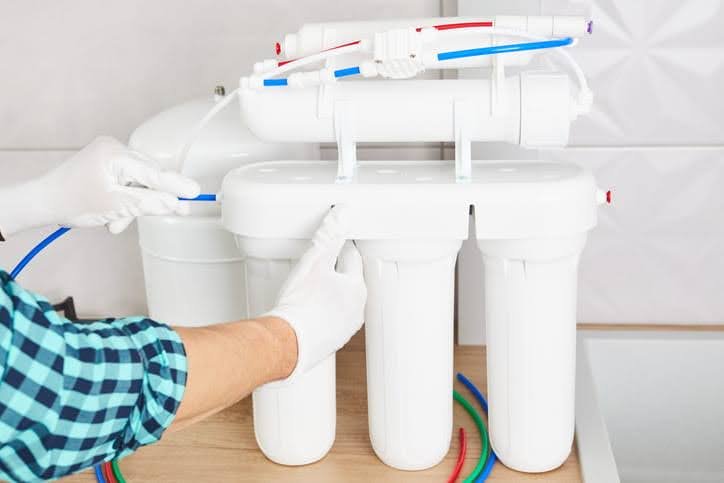
Reverse osmosis systems use a semipermeable membrane to reduce many dissolved contaminants. Depending on the model and its certification, they may reduce substances such as certain salts, metals, and other impurities. The exact performance varies, so checking the manufacturer’s specifications is essential.
For households comparing reverse osmosis & drinking water rentals, the most useful questions concern the contaminants the system can reduce, the cost and frequency of filter changes, and how much wastewater it produces. Many systems also include a storage tank or dedicated faucet, so installation space under the kitchen sink should be considered.
Reverse osmosis isn’t necessary for every home. If the main complaint is chlorine taste, a suitable activated-carbon filter may be enough. Testing the water and matching the treatment to the actual concern helps avoid unnecessary expense and maintenance.
Don’t Overlook Maintenance and Service
Even a well-chosen water treatment system needs attention. Filters become less effective as they accumulate material, softeners need appropriate replenishment, and mechanical components can wear out over time. Ignoring routine maintenance may reduce performance or create new problems.
Before signing a rental agreement, find out who schedules service and who pays for it. Ask how quickly the provider responds to leaks or equipment failures, whether replacement filters are included, and how you’ll know when maintenance is due.
It’s equally important to understand what happens if you move. Some providers may allow equipment relocation, while others require a new installation or charge a cancellation fee. These details can make a real difference when life changes unexpectedly.
Choose for Your Household, Not Just the Price
The best water treatment solution is the one that addresses a genuine need and remains manageable over time. A small apartment with mild chlorine taste issues may need only a drinking-water filter. A large home with significant hardness may benefit from a properly sized softener, while a property with several identified water-quality concerns could require a more tailored combination of treatments.
Take time to compare service terms, installation requirements, performance certifications, and long-term costs. Most importantly, don’t assume one system can solve every water problem.
Better water doesn’t necessarily mean buying the most expensive equipment or installing something in every room. It means understanding what’s coming through your taps and making a thoughtful choice. With reliable testing, clear rental terms, and consistent maintenance, a water treatment system can become a useful part of everyday home life—quietly doing its job while you get on with yours.
Related Posts
Same section · next recordsHOM-0668 · 22 Aug 2026 · Home Services
Knowing When a Plumbing Problem Needs Immediate Attention
Most plumbing problems don’t announce themselves with much drama. A faucet starts dripping. A…
HOM-0660 · 28 Jul 2026 · Home Services
Why Soft Water Can Quietly Transform the Way Your Home Feels Every Day
It Usually Starts With Something Small Most homeowners don’t wake up one morning and…
HOM-0656 · 28 Jul 2026 · Home Services
Why Investing in Better Drinking Water Is One of the Best Decisions for Your Home
There’s a certain comfort in turning on the kitchen faucet and knowing the water…