When It’s Time to Rethink Your Cooling: A More Honest Look at Home Comfort

There’s a point, usually after a few summers, when your cooling system starts to feel… tired. Not broken, not completely useless — just not doing what it once did. Maybe it runs longer than before. Maybe the air doesn’t feel as crisp. Or maybe your electricity bill has quietly crept up, month after month.
It’s easy to ignore at first. We adapt, like we always do. Open a window, turn on a fan, lower the thermostat a little more. But eventually, you start wondering if it’s time for something better.
And that’s where things get interesting.
Recognizing When “Good Enough” Isn’t Enough Anymore
Most people don’t wake up one day and decide to replace their HVAC system. It’s usually a slow realization. Small frustrations adding up over time.
You might notice certain rooms never quite cool down. Or that your system struggles during peak heat. It’s not a dramatic failure — just a steady decline in comfort.
That’s often the moment when homeowners start exploring ways to upgrade cooling solutions without necessarily knowing what that means yet.
Upgrading doesn’t always mean replacing everything. Sometimes it’s about improving efficiency, adding zoning, or switching to a system that better fits your current lifestyle. Homes change over time, and systems need to keep up.
It’s less about fixing what’s broken, and more about improving what’s possible.
Why Installation Matters More Than the Equipment
There’s a common belief that buying a high-end system guarantees better performance. And while quality equipment does matter, it’s only part of the story.
Installation plays a much bigger role than most people realize.
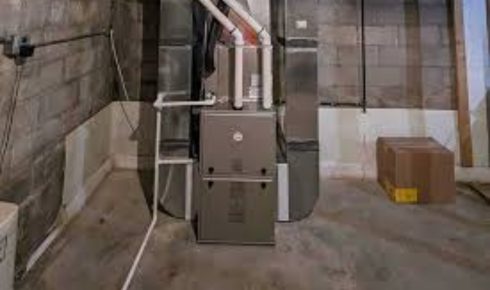
A professional hvac install isn’t just about connecting wires and mounting units. It’s about understanding how your home behaves — where heat builds up, how air flows, how insulation affects temperature.
I’ve seen situations where a mid-range system, installed thoughtfully, outperformed a premium unit that was rushed into place. It’s not about the price tag. It’s about the fit.
And when installation is done right, you feel it immediately. The air feels balanced. The system runs smoothly. You stop noticing it — which is exactly how it should be.
The Shift Toward Smarter, More Flexible Systems
Homes today aren’t used the same way they were ten or twenty years ago. We work from home more. We use different rooms at different times. Our routines are less predictable.
And traditional systems don’t always adapt well to that kind of flexibility.
That’s where modern comfort systems come into the picture. They’re designed to respond, not just operate. Smart thermostats, zoning capabilities, variable-speed compressors — these aren’t just features, they’re tools for creating a more personalized environment.
You can cool the spaces you use most, reduce energy in unused areas, and maintain a more consistent temperature throughout the day.
It’s not about complexity. It’s about control.
Energy Efficiency: More Than Just Lower Bills
We often talk about energy efficiency in terms of cost savings. And yes, that’s a big part of it. But there’s more to it than that.
An efficient system doesn’t just use less energy — it performs better. It maintains temperature more consistently, reduces wear on components, and creates a more stable indoor environment.
There’s also something reassuring about knowing your system isn’t working harder than it needs to. It feels… balanced.
And over time, that balance translates into fewer repairs, longer lifespan, and a home that simply feels more comfortable.
The Overlooked Role of Airflow
Airflow is one of those invisible factors that can make or break a cooling system. You don’t see it, but you feel it — especially when it’s not right.
Uneven airflow can lead to hot spots, cold drafts, or rooms that never quite reach the desired temperature. And often, the issue isn’t the system itself, but how air moves through the space.
Duct design, vent placement, even furniture arrangement can influence airflow in subtle ways.
I remember visiting a home where a simple adjustment to vent direction completely changed how the room felt. It’s amazing how small tweaks can have such a noticeable impact.
Living With a System That Actually Fits Your Life
A well-designed cooling system doesn’t require constant attention. You shouldn’t have to think about it all the time.
But when something isn’t quite right, you notice it in small ways. Maybe you avoid certain rooms during the day. Maybe you rely on fans to compensate. Maybe you keep adjusting the thermostat, hoping to find the “right” setting.
These are signs that the system isn’t aligned with your needs.
The goal isn’t perfection — it’s ease. A system that works with your routine, not against it.
Maintenance: The Quiet Key to Longevity
Even the best system won’t perform well without proper care. Filters need cleaning, components need checking, and occasional tune-ups keep everything running smoothly.
It’s not glamorous, and it’s easy to forget. But maintenance is what keeps a good system from becoming a problematic one.
Think of it as a small investment in long-term comfort. A bit of attention now can prevent bigger issues later.
And honestly, it’s one of the simplest ways to extend the life of your system.
Bringing It All Together, Without Overthinking It
Upgrading your cooling system doesn’t have to be overwhelming. It’s not about chasing the latest trends or buying the most expensive equipment.
It’s about understanding your space, recognizing when something isn’t working as it should, and making thoughtful changes.
Sometimes that means replacing an old system. Sometimes it means improving what you already have. And sometimes, it’s just about paying attention to the details you might have overlooked.
Because real comfort isn’t something you constantly think about. It’s something that quietly supports your daily life — steady, reliable, and easy.
And when you get it right, you don’t notice the system at all.
You just notice that your home feels… right.