
Key Points
Electricity is one of those things we rarely think about until something stops working. The lights flicker. An outlet suddenly refuses to cooperate. Or maybe your circuit breaker trips every time you plug in a new appliance. At that moment, you realize your home’s electrical system isn’t just wires behind the walls—it’s the quiet engine…
Electricity is one of those things we rarely think about until something stops working. The lights flicker. An outlet suddenly refuses to cooperate. Or maybe your circuit breaker trips every time you plug in a new appliance. At that moment, you realize your home’s electrical system isn’t just wires behind the walls—it’s the quiet engine that keeps everyday life running.
Many homes, especially those built decades ago, were designed for a very different era. Back then, families didn’t rely on dozens of electronic devices, large kitchen appliances, or home office equipment. Today, everything from smartphones and gaming systems to electric vehicles and smart thermostats depends on a stable electrical setup. And that’s where modern upgrades start to make sense.
The Quiet Evolution of Home Electricity
Take a moment to think about how much electricity your home uses now compared to twenty or thirty years ago. It’s not even close. Homes today carry a heavier electrical load, and older wiring systems often struggle to keep up.
Related reading: Knowing When a Plumbing Problem Needs Immediate AttentionThis doesn’t necessarily mean something is “broken.” Often, the system simply wasn’t built for modern demands. Panels that once supported a handful of appliances are now expected to handle multiple high-powered devices simultaneously. Add a home office, an EV charger, or even a large entertainment setup, and suddenly things start to feel strained.
Upgrading your electrical system isn’t always about fixing problems—it’s often about preparing your home for how you actually live today. That’s why electrical system upgrades have become such a common recommendation from electricians across residential neighborhoods.
Signs Your Electrical System Might Be Struggling
Sometimes the warning signs are subtle. A breaker that trips occasionally might seem harmless. Flickering lights could easily be dismissed as a bulb issue. But when these small inconveniences appear repeatedly, they can point toward a system that’s working harder than it should.
Related reading: Why Soft Water Can Quietly Transform the Way Your Home Feels Every DayWarm outlets, buzzing sounds from the panel, or extension cords scattered across multiple rooms are also clues. These aren’t just annoyances—they often indicate that your home lacks enough dedicated circuits or adequate panel capacity.
Older homes may still operate with outdated fuse boxes or panels rated for far less electricity than modern households require. And while those systems may technically still function, they aren’t always safe or efficient for current electrical demands.
Why Professional Knowledge Matters
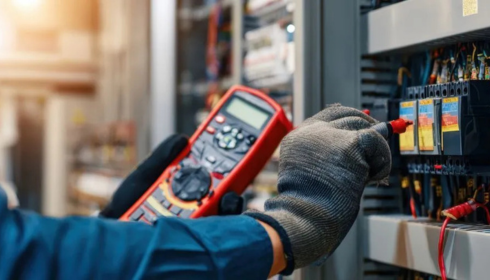
Electrical work isn’t something most homeowners should attempt on their own. Unlike painting a wall or assembling furniture, mistakes with wiring can lead to serious safety hazards—fires, shocks, or long-term system damage.
Related reading: Why Investing in Better Drinking Water Is One of the Best Decisions for Your HomeThat’s where electrical expertise becomes essential. A qualified electrician doesn’t just replace wires or swap out a breaker. They evaluate the entire system: panel capacity, wiring condition, grounding, and circuit distribution. Sometimes the issue is as simple as redistributing electrical loads across circuits. Other times, a full panel upgrade might be necessary.
The point is, proper assessment requires experience. What looks like a small problem to a homeowner can actually reveal a deeper structural issue in the system.
Modern Homes Need Smarter Electrical Design
Electricity isn’t just about power anymore—it’s about flexibility. Smart homes, for example, rely on consistent power and reliable circuits to operate devices like automated lighting, smart locks, security cameras, and connected thermostats.
Related reading: When Is It Time to Upgrade Your Home Water Treatment System? Signs You Shouldn’t IgnoreEven everyday conveniences like kitchen appliances have become more powerful. Induction cooktops, high-end refrigerators, and built-in coffee machines all draw more electricity than older models. Add a laundry room with modern dryers and washers, and suddenly your electrical panel is managing far more energy than it was originally designed for.
This is why thoughtful electrical design has become so important in modern homes. Dedicated circuits, upgraded panels, surge protection systems, and proper grounding all contribute to a safer and more reliable environment.
The Role of Local Electricians in Community Safety
One of the underrated aspects of electrical work is how much it affects the safety of entire neighborhoods. Electrical issues don’t always stay contained within a single property. Faulty wiring can lead to fires that impact surrounding homes, which is why building codes and inspections exist in the first place.
Related reading: When It’s Time to Rethink Your Cooling: A More Honest Look at Home ComfortLocal electricians play a huge role in maintaining safe standards across communities. They understand regional building regulations, climate conditions, and the types of electrical systems commonly used in local homes. This local knowledge helps ensure installations and upgrades meet both safety requirements and real-world needs.
That’s why many homeowners rely on community electrical services rather than random contractors. When electricians are familiar with the area, they’re often better equipped to diagnose recurring issues common to certain neighborhoods or housing developments.
Planning for the Future, Not Just the Present
Electrical upgrades aren’t only about solving today’s problems. They’re also about preparing for tomorrow’s technology. Electric vehicles, for instance, are becoming increasingly common, and home charging stations require significant electrical capacity.
Solar energy systems are another example. Many homeowners exploring renewable energy discover that their electrical panels need upgrades before solar panels can even be installed.
Planning ahead can save both time and money. A well-designed electrical system gives homeowners the flexibility to adopt new technologies without constantly revisiting the wiring behind their walls.
A System You Rarely See—but Always Depend On
Electricity is easy to overlook because it works quietly in the background. Flip a switch, plug in a device, charge a phone—it all happens without much thought.
But behind those everyday moments is a complex network of circuits, panels, and safety mechanisms working together. When that system is modern, well-designed, and professionally maintained, it provides something most homeowners value deeply: peace of mind.
So if your home’s electrical setup hasn’t been evaluated in years, it might be worth taking a closer look. Not because something has already gone wrong, but because keeping your electrical system healthy is one of the smartest ways to protect both your home and the people living inside it.
Related Posts
Same section · next recordsHOM-0668 · 22 Aug 2026 · Home Services
Knowing When a Plumbing Problem Needs Immediate Attention
Most plumbing problems don’t announce themselves with much drama. A faucet starts dripping. A…
HOM-0660 · 28 Jul 2026 · Home Services

Why Soft Water Can Quietly Transform the Way Your Home Feels Every Day
It Usually Starts With Something Small Most homeowners don’t wake up one morning and…
HOM-0656 · 28 Jul 2026 · Home Services

Why Investing in Better Drinking Water Is One of the Best Decisions for Your Home
There’s a certain comfort in turning on the kitchen faucet and knowing the water…