
Key Points
Most people don’t think much about the water running through their homes until something goes wrong. Maybe the showerhead starts spraying unevenly, the dishes come out of the dishwasher with cloudy marks, or laundry feels rough even after a fresh wash. These problems can seem unrelated, but sometimes they share a common cause: hard water.…
Most people don’t think much about the water running through their homes until something goes wrong. Maybe the showerhead starts spraying unevenly, the dishes come out of the dishwasher with cloudy marks, or laundry feels rough even after a fresh wash. These problems can seem unrelated, but sometimes they share a common cause: hard water.
Hard water contains dissolved minerals, mainly calcium and magnesium. These minerals occur naturally and are not automatically a health concern, yet they can leave deposits on surfaces and inside equipment. Over time, that can mean more cleaning, extra maintenance, and frustration with appliances you expected to work without much attention.
Understanding your water quality can help you decide whether treatment is worthwhile and which option makes sense for your household.
Related reading: Making Better Water Choices at Home: A Practical Guide to Rental Treatment SystemsWhy Hard Water Can Affect Household Equipment
As water passes through mineral-rich rock and soil, it can collect calcium and magnesium. When that water evaporates, the minerals may remain behind as visible residue. Heating water can also encourage scale to form, particularly in equipment that repeatedly warms or stores water.
The amount of scale depends on several factors, including water hardness, temperature, water use, and appliance design. A home with moderately hard water may experience only minor spotting, while another property with very hard water may deal with more persistent deposits.
A water heater can be particularly affected because it regularly heats water, creating conditions in which mineral scale may accumulate. Depending on the equipment and severity of the problem, deposits can interfere with heat transfer or contribute to maintenance issues. Regular servicing and following the manufacturer’s recommendations remain important, whether or not a softener is installed.
Related reading: Knowing When a Plumbing Problem Needs Immediate AttentionBefore investing in treatment, consider testing your water. A hardness test can show whether calcium and magnesium are likely contributing to the problem. If stains have an unusual color or appearance, additional testing may be needed because iron, sediment, and other substances can also leave deposits.
Keeping the Kitchen Cleaner
The kitchen is often where water-quality issues become noticeable first. Glasses may develop cloudy spots, the kettle may collect a chalky ring, and taps can lose their shine shortly after cleaning. These marks can make an otherwise tidy kitchen look neglected.
A dishwasher may leave spots or a cloudy film on dishes when mineral-rich water interacts with detergent and drying conditions. However, hard water isn’t always the only reason. Incorrect detergent amounts, low rinse-aid levels, blocked spray arms, and unsuitable wash settings can also affect the result.
Related reading: Why Soft Water Can Quietly Transform the Way Your Home Feels Every DayStart by checking the appliance manual and making sure the machine is maintained properly. Clean the filter, refill rinse aid if recommended, and use detergent appropriate for your water conditions. If the problem continues, testing the water can help determine whether hardness treatment may improve the results.
Water softening reduces calcium and magnesium in treated water, which can help limit new mineral deposits. Still, it will not correct every dishwasher problem or remove existing residue automatically. The appliance itself may need cleaning, and the settings may need adjustment.
Why Laundry May Feel Different
Hard water can affect the way laundry detergent works. Calcium and magnesium interact with certain cleaning agents, potentially making it harder to remove soil effectively and leaving residues on fabrics. This may contribute to clothes that feel stiff or towels that seem less absorbent.
Related reading: Why Investing in Better Drinking Water Is One of the Best Decisions for Your HomeYour washing machine may also accumulate mineral scale in parts exposed to water over time. The effect depends on the hardness level, temperature, detergent, and frequency of use. A washing machine in a hard-water area may need more attention than one supplied with soft water, but routine care is still essential.
Check the manufacturer’s guidance for cleaning cycles and descaling products. Don’t pour strong cleaning chemicals into the machine unless the instructions specifically allow them. Using too much detergent isn’t necessarily helpful, either; follow the product directions and adjust only where recommended for local water conditions.
If laundry problems persist, look at the bigger picture. Water hardness, detergent choice, fabric type, washing temperature, and the condition of the machine can all play a part. Treating hardness may help, but it should be one considered step rather than the automatic answer to every laundry concern.
Related reading: When Is It Time to Upgrade Your Home Water Treatment System? Signs You Shouldn’t IgnoreHow Water Softeners Help
Many whole-house water softeners use ion exchange to reduce hardness minerals. Water passes through a resin bed that captures calcium and magnesium while releasing sodium or, in some systems, potassium ions. The resin eventually needs regeneration to restore its ability to treat water.
For homes with significant hardness, a properly selected softener can reduce new scale formation in plumbing and water-using appliances. Homeowners may also notice less mineral spotting and easier cleaning of taps, shower screens, and other surfaces.
However, a water softener is not a complete purification system. It does not automatically remove bacteria, arsenic, nitrate, or every other contaminant. If your water has concerns beyond hardness, additional testing and treatment may be necessary.
Sizing is important. A unit that is too small may regenerate too frequently, while an oversized system can increase the initial expense without delivering a meaningful advantage. A qualified water professional can use the test results and estimated household demand to help identify an appropriate capacity.
Don’t Overlook Salt and Maintenance
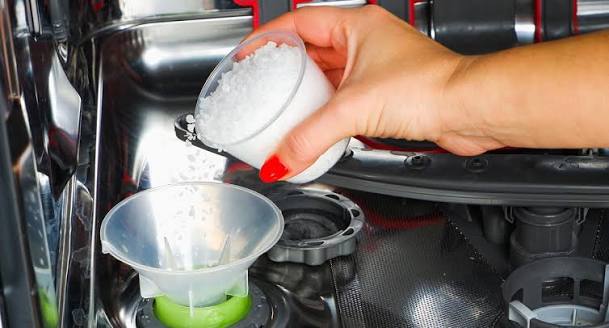
Salt-based softeners need routine care. The brine tank must be checked, the appropriate salt added as required, and the system inspected according to the manufacturer’s schedule. Regeneration also uses water, with the amount depending on the model and its settings.
If you choose a system that requires salt delivery, ask how often supplies are likely to be needed and whether delivery costs are included in the service arrangement. Convenient delivery can make maintenance easier, particularly for households that use a substantial amount of salt. Even so, compare prices and service terms rather than assuming the first option is the best value.
It is also sensible to ask about installation, warranties, replacement parts, and routine servicing before purchasing. A system that is affordable upfront may cost more over time if maintenance is complicated or parts are difficult to obtain.
Softened water can contain additional sodium, depending on the original hardness and how the system operates. People who need to restrict sodium for medical reasons should discuss suitable arrangements with a healthcare professional and a water-treatment specialist. A separate unsoftened tap for drinking and cooking may be appropriate in some homes.
Make a Decision Based on Your Water
Hard water can create extra work around the house, but not every property needs a softener. Start with a reliable test, identify which problems are actually related to hardness, and compare treatment options based on your needs.
If scale is affecting multiple appliances and fixtures, a whole-house softener may be worth considering. If the main issue is drinking-water taste or a particular contaminant, a different treatment approach may be more suitable.
The best solution is not necessarily the most expensive or complicated one. It’s the one that addresses your water conditions, fits your household’s daily routine, and remains manageable to maintain. Once you understand what’s coming through your pipes, caring for appliances becomes a more informed process—and those recurring spots and deposits may become far less troublesome.
Related Posts
Same section · next recordsHOM-0742 · 26 Oct 2026 · Home Services
Making Better Water Choices at Home: A Practical Guide to Rental Treatment Systems
Water is one of those things most of us take for granted until something…
HOM-0668 · 22 Aug 2026 · Home Services

Knowing When a Plumbing Problem Needs Immediate Attention
Most plumbing problems don’t announce themselves with much drama. A faucet starts dripping. A…
HOM-0660 · 28 Jul 2026 · Home Services
Why Soft Water Can Quietly Transform the Way Your Home Feels Every Day
It Usually Starts With Something Small Most homeowners don’t wake up one morning and…