
Key Points
You don’t usually notice water—until it starts leaving behind evidence. A faint white film on your faucets. A reddish tint in the sink that refuses to scrub away completely. Or maybe it’s the way your skin feels after a shower—tight, a little dry, like something’s missing. None of it feels urgent. But it does feel……
You don’t usually notice water—until it starts leaving behind evidence.
A faint white film on your faucets. A reddish tint in the sink that refuses to scrub away completely. Or maybe it’s the way your skin feels after a shower—tight, a little dry, like something’s missing.
None of it feels urgent. But it does feel… persistent.
Related reading: Knowing When a Plumbing Problem Needs Immediate AttentionAnd that’s usually how it begins. Not with a big problem, but with a series of small, repeatable signs that your water isn’t quite behaving the way it should.
The Quiet Impact of What You Can’t See
Water looks simple. Clear, transparent, harmless.
But what’s dissolved inside it can make a noticeable difference over time.
Related reading: Why Soft Water Can Quietly Transform the Way Your Home Feels Every DayMinerals, metals, disinfectants—these things don’t always show themselves immediately. They work quietly, affecting your home in ways that are easy to overlook at first.
You adapt. You adjust. You stop noticing.
Until, one day, you do.
Related reading: Why Investing in Better Drinking Water Is One of the Best Decisions for Your HomeAnd when that awareness kicks in, it’s hard to ignore.
When Hard Water Becomes More Than an Inconvenience
Hard water is one of the most common issues people face, though many don’t realize it right away.
It doesn’t break anything overnight. It doesn’t create sudden problems. Instead, it builds slowly.
Related reading: When Is It Time to Upgrade Your Home Water Treatment System? Signs You Shouldn’t IgnoreSoap stops lathering properly. Your dishes come out of the dishwasher with spots. Your clothes feel a bit stiff, even after washing.
That’s where hard water treatment becomes less of a luxury and more of a practical step.
It’s not about fixing something broken—it’s about improving something that’s quietly affecting your daily routines.
Related reading: When It’s Time to Rethink Your Cooling: A More Honest Look at Home ComfortAnd once you experience the difference, it’s surprisingly noticeable.
The Stains That Tell a Story
If you’ve ever dealt with orange or brown stains in your bathroom or kitchen, you know how stubborn they can be.
They show up around drains, on fixtures, sometimes even in your toilet bowl. And no matter how much you clean, they keep coming back.
That’s usually a sign of iron in your water.
It’s not always harmful, but it’s definitely frustrating.
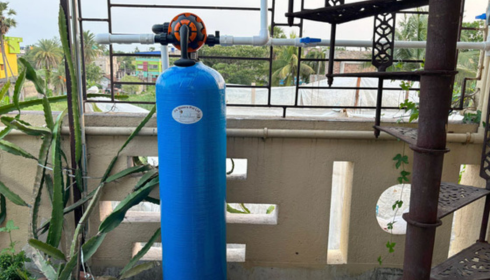
This is where iron removal systems come into play—not as a cosmetic fix, but as a way to address the source of the problem.
Because cleaning the surface only goes so far.
If the water continues to carry iron, the stains will always return.
The Taste and Smell You Can’t Quite Explain
Then there’s chlorine.
Most municipal water supplies use it as a disinfectant, and it serves an important purpose. But that doesn’t mean it always feels pleasant.
Sometimes, you notice it in the taste of your drinking water. Other times, it shows up as a faint smell—especially when you first turn on the tap or step into the shower.
It’s subtle, but once you notice it, it’s hard to ignore.
That’s where chlorine removal filtration becomes relevant.
Not to eliminate safety measures, but to refine the experience—making water feel cleaner, softer, more natural.
And for many people, that small change makes a big difference.
Why These Issues Happen in the First Place
Water doesn’t arrive at your home in a perfect, untouched state.
It travels.
Through soil, through pipes, through treatment systems. Along the way, it picks up characteristics from its environment.
Groundwater might carry minerals like calcium, magnesium, or iron. Municipal water might include chlorine for safety.
None of this is unusual.
In fact, it’s expected.
But it does mean that your water has a “personality” of its own—one that can affect your home in subtle ways.
The Shift From Ignoring to Understanding
Most people live with these issues for years without giving them much thought.
They clean the stains. They adjust to the taste. They accept the small inconveniences as part of daily life.
But once you start paying attention, something shifts.
You begin to connect the dots.
The spots on your dishes, the dryness on your skin, the smell in your water—they’re not random.
They’re related.
And understanding that connection is often the first step toward improvement.
Small Changes, Noticeable Results
What’s interesting about addressing water issues is that the results don’t always feel dramatic.
There’s no sudden transformation.
Instead, things just… get better.
Your soap works the way it’s supposed to. Your water tastes cleaner. Your fixtures stay cleaner for longer.
These aren’t life-changing differences on their own.
But together, they create a more comfortable, more predictable environment.
And that’s what most people are really looking for.
It Doesn’t Have to Be Complicated
One of the biggest misconceptions about water treatment is that it’s complex.
Too many options. Too many systems. Too many decisions.
But it doesn’t have to be that way.
The key is understanding your specific situation.
What issues are you noticing?
What bothers you the most?
What would you like to improve?
From there, the solutions become much clearer.
It’s not about installing the most advanced system—it’s about finding the right fit.
A Thought That Stays With You
If your water has been leaving small clues around your home, it’s probably not something to ignore.
Not because it’s urgent.
But because those small clues tend to stick around.
They don’t usually go away on their own.
And once you’ve noticed them, they’re hard to unsee.
Closing, Without Overthinking It
Water is one of the few things we use every single day without thinking twice.
Until we do.
And when that moment comes—when you start questioning what’s in your water—it’s not a bad thing.
It’s just awareness.
You don’t need to rush into solutions. You don’t need to change everything overnight.
But understanding your water, even a little better, can quietly improve more parts of your home than you might expect.
And sometimes, that’s all it takes.
Related Posts
Same section · next recordsHOM-0668 · 22 Aug 2026 · Home Services

Knowing When a Plumbing Problem Needs Immediate Attention
Most plumbing problems don’t announce themselves with much drama. A faucet starts dripping. A…
HOM-0660 · 28 Jul 2026 · Home Services
Why Soft Water Can Quietly Transform the Way Your Home Feels Every Day
It Usually Starts With Something Small Most homeowners don’t wake up one morning and…
HOM-0656 · 28 Jul 2026 · Home Services
Why Investing in Better Drinking Water Is One of the Best Decisions for Your Home
There’s a certain comfort in turning on the kitchen faucet and knowing the water…