
Key Points
Most plumbing problems don’t announce themselves with much drama. A faucet starts dripping. A drain gets a little slower. Maybe the water pressure isn’t quite what it used to be. These things are easy to ignore, especially when life is busy. But some warning signs shouldn’t be put on tomorrow’s to-do list. A serious plumbing…
Most plumbing problems don’t announce themselves with much drama. A faucet starts dripping. A drain gets a little slower. Maybe the water pressure isn’t quite what it used to be. These things are easy to ignore, especially when life is busy.
But some warning signs shouldn’t be put on tomorrow’s to-do list. A serious plumbing problem can develop quickly, causing water damage, sanitation concerns, or disruption to your home. Knowing the difference between a routine repair and a genuine emergency can save you time, money, and a fair amount of stress.
When Your Water Supply Suddenly Changes
Few things get your attention faster than turning on a faucet and discovering no water or unsafe water coming out.
Related reading: Why Soft Water Can Quietly Transform the Way Your Home Feels Every DayA sudden loss of water can have several causes, from a local plumbing failure to an issue affecting the wider supply. If the water looks cloudy, has an unusual color, smells strange, or appears contaminated, don’t assume it will clear up on its own.
Avoid drinking or cooking with questionable water until the source has been identified. If you’re unsure whether the issue is inside your home or coming from the public supply, checking with the local utility can help clarify the situation.
For an internal plumbing problem, a qualified professional can inspect the system and determine what has changed.
Related reading: Why Investing in Better Drinking Water Is One of the Best Decisions for Your HomeWater Heater Problems Can Become Serious
Hot water problems are annoying, but certain symptoms deserve more attention than others.
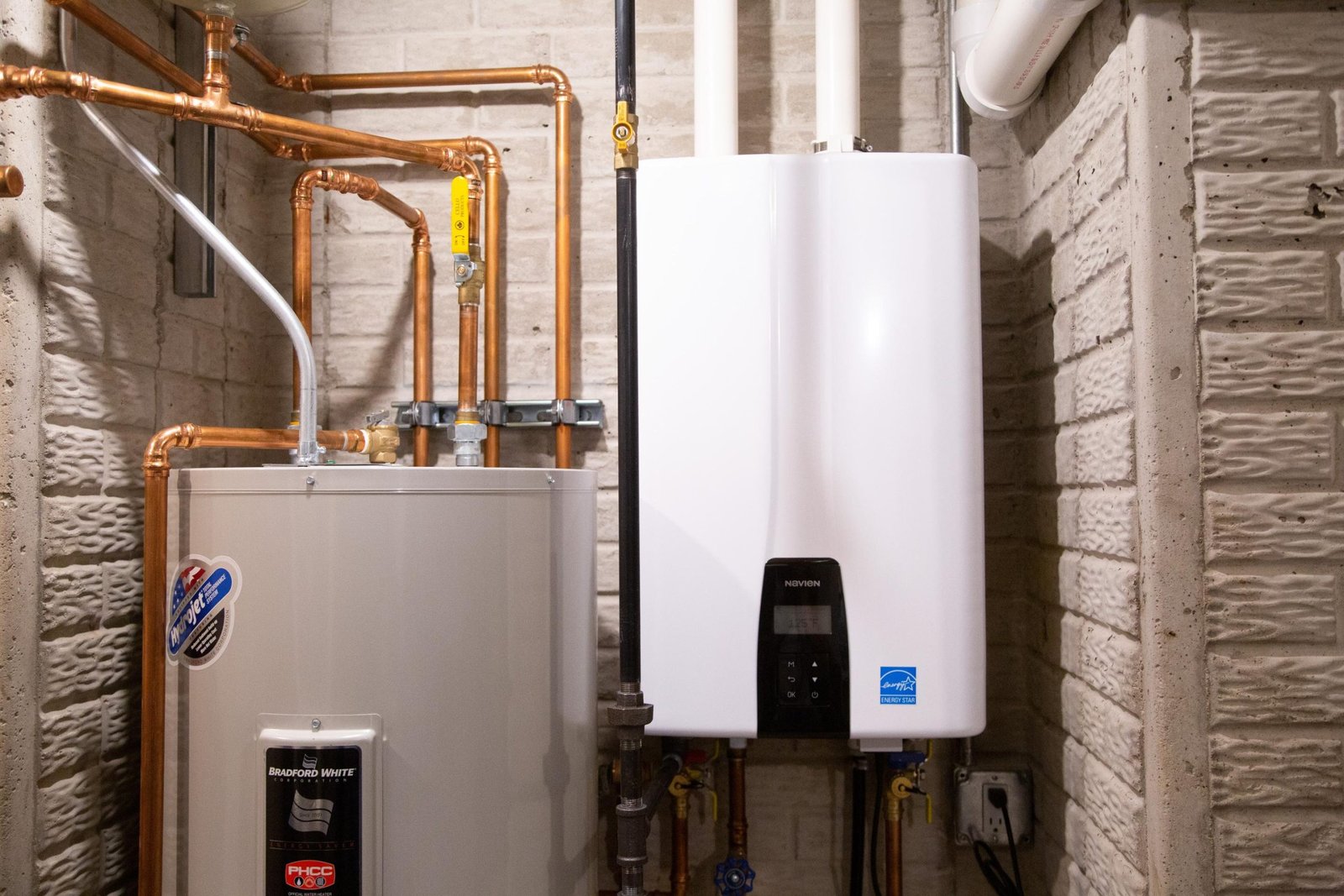
A gas or water heater issue can involve leaks, strange noises, inconsistent temperatures, electrical faults, or problems with gas-fired equipment. If you smell gas, leave the area and follow appropriate local emergency guidance rather than attempting to diagnose the appliance yourself.
Water leaking around a heater is another warning sign. Even a small amount of moisture can indicate a failing connection, valve, or tank. Since water heaters combine plumbing with heating equipment, repairs are often best left to trained professionals.
Related reading: When Is It Time to Upgrade Your Home Water Treatment System? Signs You Shouldn’t IgnoreDon’t ignore unusual sounds, either. Popping, rumbling, or banging can sometimes be associated with sediment buildup or other issues that affect performance.
Backflow Problems Shouldn’t Be Ignored
Clean water needs to remain separated from wastewater and other potentially contaminated sources. That’s one reason backflow prevention equipment is installed in certain plumbing systems.
If you notice a backflow device discharging, don’t simply shut it off and forget about it. Discharge may indicate a pressure change or another condition that needs attention.
Related reading: When It’s Time to Rethink Your Cooling: A More Honest Look at Home ComfortThe exact response depends on the type of device and the situation. A qualified professional can inspect the equipment and determine whether it is functioning as intended or responding to a larger plumbing problem.
This is one of those situations where a small amount of expert attention can prevent a much bigger concern later.
Know the Signs of a Major Leak
Some leaks are obvious. Water is pouring from a ceiling, a pipe has split open, or the floor is suddenly wet.
Related reading: The Water We Trust: A Quiet Look at What Might Be Flowing Through Our HomesOthers are much sneakier.
Look for damp patches, peeling paint, warped flooring, mold-like odors, or unexplained increases in your water bill. A hidden leak behind a wall can continue for days without being noticed, gradually damaging building materials.
If you suspect a major leak, locate your main water shut-off valve if you can do so safely. Turning off the supply may help limit damage while professional help is arranged.
It’s worth learning where that valve is before an emergency happens. Searching for it while water is running through the house is not a fun introduction.
Sewer Problems Need Special Care
A sewer-related issue is different from a normal drain clog because of the potential sanitation risks involved.
If wastewater is backing up into sinks, showers, toilets, or floor drains, stop using affected fixtures until the cause is understood. Keep children and pets away from contaminated areas, and avoid unnecessary contact with wastewater.
A professional can determine whether the blockage is within the property’s plumbing or farther along the sewer line. Clearing the visible symptom without identifying the source may only provide temporary relief.
Recurring backups especially deserve investigation. If the same problem keeps returning, there may be a deeper issue with the pipe, roots, damage, or the overall drainage system.
What Homeowners Can Safely Do
Not every plumbing issue requires a technician immediately. Replacing a worn faucet washer, cleaning a removable drain screen, or tightening an easily accessible connection may be reasonable for someone comfortable with basic maintenance.
The key is knowing your limits.
If a repair involves gas, major water lines, electrical components, sewage, or hidden pipes, it’s generally wiser to get professional help. The cost of a service call can seem frustrating, but it’s usually nothing compared with repairing water-damaged walls or floors after an unsuccessful DIY attempt.
And never mix chemical drain cleaners. If you’ve already used one, tell the plumber before they begin working on the drain.
A Little Preparation Goes a Long Way
You don’t need a toolbox full of expensive equipment to prepare for plumbing emergencies.
Know where your water shut-off valves are. Keep the area around important plumbing components accessible. Check exposed pipes occasionally, especially in older properties. Pay attention to unusual noises, smells, pressure changes, and recurring leaks.
It’s also useful to have the contact information for a reputable plumbing professional saved somewhere convenient. When something goes wrong at midnight, you don’t want your first step to be scrolling through dozens of search results.
Don’t Wait for a Small Warning to Become a Big Repair
Plumbing systems tend to give us clues before they fail completely. We just don’t always pay attention to them.
A strange smell, a small leak, unusual water, inconsistent heating, or an unexpected discharge can all be worth investigating. It doesn’t mean something catastrophic is happening, but finding out early is usually the better option.
Your home’s plumbing should work quietly in the background. When it doesn’t, take the signs seriously, protect yourself and your property, and call a qualified professional when the problem is beyond a simple repair.
A few minutes of attention today can save you from a very long night — and a much larger bill — tomorrow.
Related Posts
Same section · next recordsHOM-0660 · 28 Jul 2026 · Home Services
Why Soft Water Can Quietly Transform the Way Your Home Feels Every Day
It Usually Starts With Something Small Most homeowners don’t wake up one morning and…
HOM-0656 · 28 Jul 2026 · Home Services
Why Investing in Better Drinking Water Is One of the Best Decisions for Your Home
There’s a certain comfort in turning on the kitchen faucet and knowing the water…
HOM-0653 · 25 Jul 2026 · Home Services
When Is It Time to Upgrade Your Home Water Treatment System? Signs You Shouldn’t Ignore
Water Quality Changes More Than You Think Most homeowners don’t spend much time thinking…