
Key Points
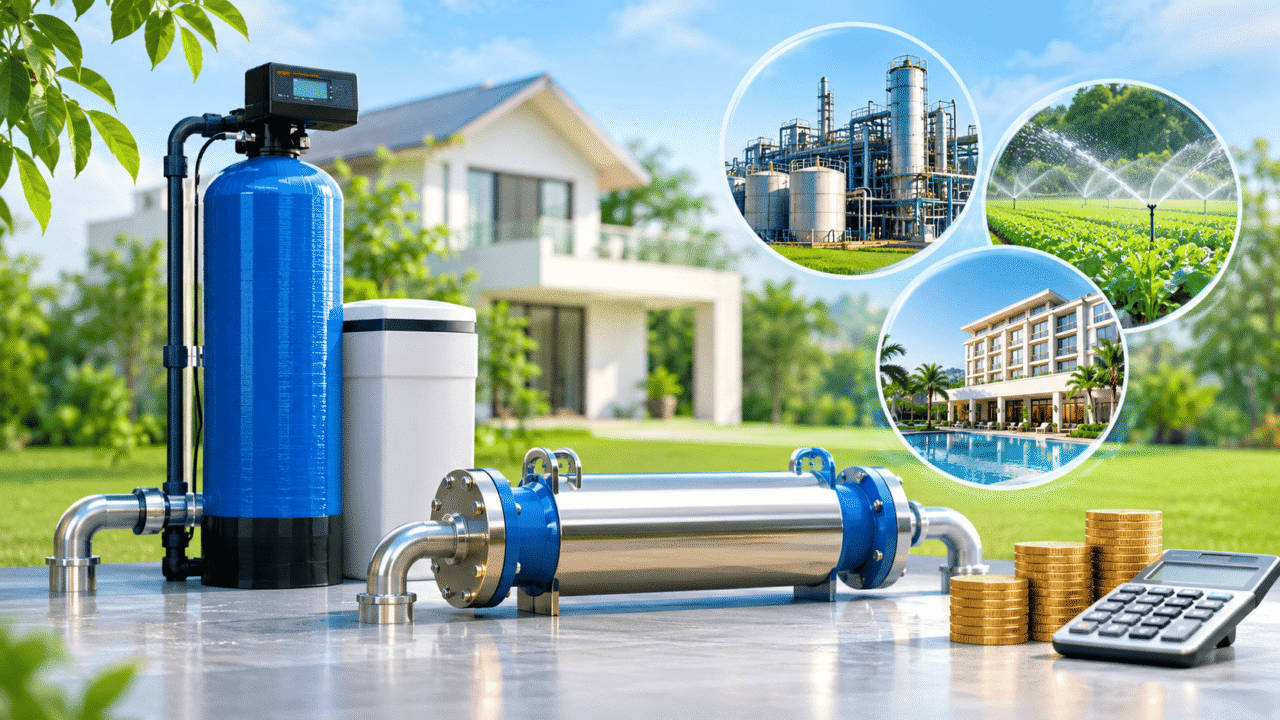
Water plays a bigger role in our everyday lives than we sometimes realize. From making morning coffee and cooking meals to washing clothes, cleaning, and taking a shower, we depend on it constantly. When water quality changes, even small problems can become frustrating. Stubborn mineral deposits, unpleasant tastes, reduced water pressure, or filters that stop…
Water plays a bigger role in our everyday lives than we sometimes realize. From making morning coffee and cooking meals to washing clothes, cleaning, and taking a shower, we depend on it constantly. When water quality changes, even small problems can become frustrating. Stubborn mineral deposits, unpleasant tastes, reduced water pressure, or filters that stop working properly can affect both comfort and convenience.
The good news is that most water concerns can be addressed with the right approach. Understanding your water, choosing suitable equipment, and keeping it properly maintained can make a noticeable difference without unnecessary expense.
Why Understanding Your Water Quality Matters
Not all water is the same. Depending on its source, it may contain naturally occurring minerals, sediment, dissolved substances, or disinfectants used during municipal treatment. Some issues are easy to notice, while others may not be visible or detectable through taste and smell alone.
Related reading: Find the Right Reverse Osmosis Water Filtration System for Your Home With KineticoProfessional water quality testing can help homeowners and businesses understand what’s actually present in their water. Testing may examine hardness, pH, iron, sediment, chlorine, or other parameters depending on the water source and specific concerns.
For instance, a homeowner dealing with white deposits on bathroom fixtures may have hard water, while another might notice an unusual smell or metallic taste. These symptoms don’t always point to the same cause, which is why testing is often more useful than simply purchasing a filter and hoping it works.
Having reliable information makes it easier to select the right treatment and avoid spending money on equipment that doesn’t address the real issue.
Related reading: Finding the Right Place for Your Home Water Treatment SystemChoosing a Treatment System That Fits Your Needs
Water treatment isn’t a one-size-fits-all solution. Some homes need filtration for drinking water, while others require treatment for the entire property’s supply. The best option depends on water quality, household size, daily consumption, plumbing setup, and the problems you’re trying to solve.
Sediment filters can help capture suspended particles, carbon filtration may improve certain tastes and odors, and water softeners are designed to reduce hardness minerals. Reverse osmosis systems are another option for drinking water when reducing specific dissolved substances is a priority.
Before installing anything, it’s worth considering the long-term costs as well. Filter replacements, servicing, energy consumption, installation expenses, and system lifespan all contribute to the overall investment. A system that’s affordable initially may require more upkeep than expected, so understanding the maintenance requirements beforehand can save a few headaches later.
Related reading: Protecting Your Home Appliances Starts With Understanding Your WaterWhy Regular Water System Maintenance Shouldn’t Be Ignored
Once a treatment system is installed, it’s tempting to forget about it. After all, most equipment sits quietly in a utility room, beneath a kitchen sink, or near the main water supply. But filters gradually collect particles, components experience wear, and treatment efficiency may decline over time.
Regular water system maintenance helps keep equipment operating as intended. Depending on the system, this may involve changing filters, checking pressure, inspecting valves, replenishing softener salt, cleaning components, and monitoring the performance of the equipment.
A few simple habits can make maintenance easier. Keep track of filter replacement dates, pay attention to changes in water taste or flow, and follow the manufacturer’s recommendations. If something suddenly seems different, don’t wait for a complete system failure before investigating.
Related reading: Making Better Water Choices at Home: A Practical Guide to Rental Treatment SystemsRoutine servicing can also help identify small problems early. A minor leak, clogged filter, or worn connection is usually easier to address before it develops into a bigger repair.
Flexible Solutions for Changing Water Needs
Sometimes purchasing a water treatment system outright isn’t the most practical option. A property owner may need temporary treatment during renovation, while a business might require equipment for a seasonal operation, temporary facility, or short-term project. In these situations, flexibility becomes important.
Water treatment system rentals can provide access to suitable equipment without the commitment of purchasing a complete system. Rental arrangements may be useful when treatment needs are temporary, when businesses want to evaluate equipment before making a long-term investment, or when an existing system requires replacement during repairs.
Related reading: Knowing When a Plumbing Problem Needs Immediate AttentionThe right rental option depends on the application, water quality, expected usage, installation requirements, and rental duration. It’s important to understand what’s included in the agreement, such as servicing, equipment replacement, installation, or technical support. A rental system should still be properly sized and selected according to the water conditions rather than chosen simply because it’s available.
Recognizing When Your System Needs Attention
Water treatment equipment doesn’t always stop working overnight. Often, performance declines gradually. You might notice slower filtration, changes in taste, more scale around fixtures, unusual noises, or a system that requires frequent adjustments.
These signs shouldn’t automatically mean the equipment needs replacing. Sometimes, the solution is a filter change, cleaning, recalibration, or a small repair. A professional inspection can help determine whether the system remains suitable or whether upgrading certain components would make more sense.
Keeping service records is helpful, too. Knowing when filters were replaced, which parts were repaired, and how the system has performed over the years makes troubleshooting much easier.
Making Better Water a Long-Term Priority
Good water treatment is about more than buying equipment. It’s about understanding your water, selecting technology that genuinely addresses your needs, and making sure everything continues working properly over time.
Whether you’re improving drinking water at home, protecting appliances from mineral buildup, or finding a flexible solution for a temporary project, a thoughtful approach can save money and reduce everyday frustration.
Water is something we use without thinking much about, and that’s exactly how it should be. With proper testing, suitable treatment, and regular care, your water system can quietly do its job, day after day, giving you one less thing to worry about.
Related Posts
Same section · next recordsHOM-0759 · 25 Nov 2026 · Home Services
Find the Right Reverse Osmosis Water Filtration System for Your Home With Kinetico
It’s easy to overlook the quality of your tap water when you’re busy managing…
HOM-0749 · 30 Oct 2026 · Home Services
Finding the Right Place for Your Home Water Treatment System
Water treatment equipment isn’t usually the most exciting part of planning a home improvement…
HOM-0745 · 27 Oct 2026 · Home Services
Protecting Your Home Appliances Starts With Understanding Your Water
Most people don’t think much about the water running through their homes until something…