Building Comfort From the Ground Up: Why Smart Installation Decisions Shape Long-Term Performance

There’s a moment that happens in nearly every home or business at some point. The old system finally gives out — maybe it struggles to cool the space evenly, or perhaps the energy bills keep creeping higher each month. Suddenly, replacing it isn’t just an option anymore; it becomes a necessity.
And that’s when many people discover something surprising: the most important factor in system performance isn’t always the brand or price tag.
It’s how the system is installed.
Installation determines how well equipment functions, how long it lasts, and how efficiently it operates over time. It’s one of those behind-the-scenes details that rarely gets attention — until its impact becomes obvious.
Why Installation Matters More Than Most People Realize
Many homeowners and business owners assume that buying high-quality equipment automatically guarantees good performance. But even the best systems can struggle if they’re not installed correctly.
Improper sizing, poor airflow planning, or incorrect connections can reduce efficiency significantly. These issues may not be noticeable immediately, but they often lead to uneven temperatures, higher energy costs, and frequent maintenance needs.
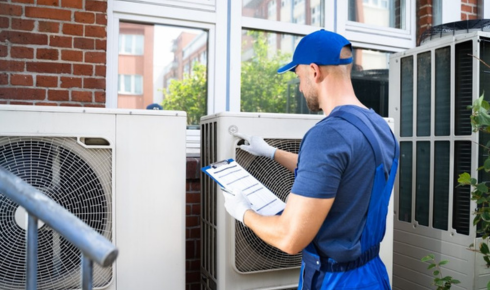
Professional hvac installation ensures that heating and cooling systems are calibrated properly from the beginning. Technicians evaluate building layout, insulation levels, and airflow patterns to determine optimal placement and system configuration.
When done correctly, installation creates a foundation for consistent comfort that can last for years.
It’s not just about putting equipment in place — it’s about creating a system that works harmoniously with the environment.
The Specialized Needs of Cooling Infrastructure
For businesses that rely on refrigeration, installation plays an even more critical role. Restaurants, grocery stores, medical facilities, and warehouses depend on precise temperature control to protect products and maintain compliance with safety standards.
Refrigeration installation involves more than connecting equipment to a power source. It requires careful consideration of ventilation, load capacity, and temperature distribution.
Even small installation errors can lead to temperature fluctuations, equipment strain, or increased energy consumption.
Proper setup ensures that refrigeration systems maintain stable conditions consistently, protecting both inventory and operational efficiency.
In industries where cooling reliability is essential, installation quality often determines long-term success.
The Long-Term Impact on Energy Consumption
One of the most significant benefits of proper system installation is improved energy efficiency. Well-installed systems operate with balanced airflow, optimized load distribution, and minimal mechanical strain.
This allows equipment to maintain desired temperatures without overworking, reducing both energy usage and operational costs.
Over time, even small efficiency improvements can result in substantial savings.
Homeowners often notice the difference through lower utility bills, while businesses benefit from reduced operational expenses.
Beyond financial advantages, efficient systems also contribute to environmental sustainability by minimizing energy consumption.
In many ways, installation quality directly influences both economic and environmental outcomes.
The Emotional Comfort of Reliable Performance
While technical performance is important, reliable climate systems also have a strong emotional impact.
Consistent indoor temperatures create a sense of stability and comfort. People can relax at home, focus at work, or enjoy social environments without worrying about sudden fluctuations.
When systems operate smoothly, they fade into the background — which is exactly how they should function.
Conversely, recurring system issues can create ongoing stress. Frequent repairs, uneven cooling, or rising energy costs can disrupt daily routines.
Proper installation helps prevent these problems, allowing people to experience uninterrupted comfort.
And that peace of mind often proves just as valuable as the technical benefits.
Why Professional Expertise Makes a Difference
Installing climate and refrigeration systems requires specialized knowledge. Technicians must understand airflow dynamics, electrical connections, refrigerant handling, and system calibration.
Professional installers also consider future maintenance accessibility, ensuring systems can be serviced easily when needed.
Working with experienced professionals reduces the risk of installation errors that could affect long-term performance.
For many homeowners and businesses, investing in skilled installation proves to be one of the most cost-effective decisions they can make.
Because when systems start off correctly, they’re far more likely to remain reliable over time.
Small Details That Influence Long-Term Results
Installation quality often comes down to attention to detail. Proper duct sealing, correct thermostat placement, and accurate load calculations all contribute to system effectiveness.
Even seemingly minor oversights can affect airflow balance and overall performance.
Over time, these small details can determine whether a system operates efficiently or requires frequent adjustments.
Professional installers focus on these details to ensure optimal functionality from the very beginning.
And in the long run, those careful decisions make a significant difference.
The Role of Technology in Modern Installations
Advancements in technology have transformed installation practices in recent years. Smart thermostats, automated monitoring systems, and advanced diagnostic tools allow technicians to optimize system performance more precisely than ever before.
These technologies enable real-time adjustments, predictive maintenance alerts, and improved energy management.
However, even the most advanced equipment still depends on proper installation to deliver its full potential.
Technology enhances performance — but expertise ensures it works effectively.
A Thoughtful Ending: The Foundation of Lasting Comfort
At its core, climate control isn’t just about equipment. It’s about creating environments where people can live and work comfortably without distraction.
Proper installation forms the foundation of that comfort. It determines how efficiently systems operate, how reliably they perform, and how long they last.
Investing in professional installation isn’t just a technical decision — it’s a commitment to long-term stability and peace of mind.