
Key Points
Every dog owner wants a calm, respectful, and well-behaved companion, but achieving consistent behavior often requires more than basic commands. That is where canine manners coaching Scottsdale services become valuable. Proper coaching helps dogs develop practical everyday behaviors that improve communication, strengthen trust, and create a more enjoyable home environment. Dogs thrive when they understand…
Every dog owner wants a calm, respectful, and well-behaved companion, but achieving consistent behavior often requires more than basic commands. That is where canine manners coaching Scottsdale services become valuable. Proper coaching helps dogs develop practical everyday behaviors that improve communication, strengthen trust, and create a more enjoyable home environment.
Dogs thrive when they understand expectations clearly. Whether the challenge involves leash pulling, jumping on guests, excessive barking, poor impulse control, or difficulty focusing in distracting environments, structured manners coaching provides practical guidance that supports long-term improvement. Professional coaching also helps owners become more confident handlers who can reinforce positive behaviors consistently.
At Rob’s Dog Training, the focus is on helping dogs and owners work together through realistic, personalized training methods that support reliable behavior in everyday situations.
Why Canine Manners Matter Beyond Basic Obedience
Many people associate dog training only with commands like sit, stay, and come. While these skills are important, manners coaching focuses on how dogs behave during real-life interactions.
A dog with strong manners can:
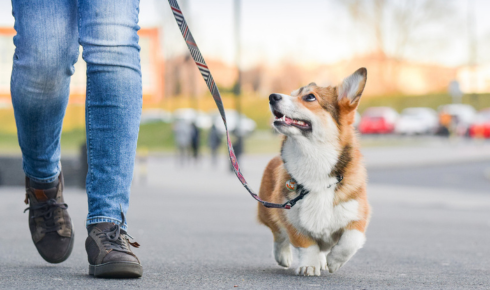
- Walk calmly on a leash
- Remain composed around distractions
- Greet guests politely
- Wait patiently during meals or doorways
- Respond consistently in public settings
- Settle calmly indoors
- Show better focus around other dogs and people
These behaviors contribute to safer and more enjoyable experiences for both dogs and owners. Proper manners also reduce stress within the household because expectations become more predictable and communication improves.
Behavioral consistency is especially important in busy environments like Scottsdale, where dogs frequently encounter parks, outdoor dining spaces, walking trails, and community events.
The Importance of Structured Coaching
Dogs learn best through consistency, repetition, timing, and clear communication. Random corrections or inconsistent expectations can create confusion, leading to frustration for both the dog and the owner.
Structured coaching provides:
Clear Behavioral Expectations
Dogs benefit from understanding boundaries and routines. Consistent coaching teaches dogs what behaviors are rewarded and which behaviors are discouraged.
Gradual Skill Development
Behavioral improvement often happens step by step. Coaching programs typically begin in low-distraction environments before progressing into more challenging situations.
Real-World Application
Good manners should work outside the home as well as inside it. Coaching helps dogs generalize behaviors across multiple environments.
Owner Education
One of the most valuable aspects of coaching is teaching owners how to communicate effectively with their dogs. The owner’s consistency often determines the long-term success of training.
Common Behavioral Challenges Addressed Through Manners Coaching
Many dog owners seek help because daily routines have become stressful or difficult to manage. Manners coaching can address a wide range of common issues.
Leash Pulling and Poor Walk Behavior
Walking should be enjoyable, not physically exhausting. Dogs that constantly pull on the leash can make daily exercise frustrating and unsafe.
Coaching often focuses on:
- Loose leash walking
- Attention during walks
- Reduced reactivity
- Calm pacing
- Better impulse control around distractions
When dogs learn proper leash behavior, walks become calmer and more productive for both the dog and the owner.
Jumping on Guests
Jumping is commonly driven by excitement, but it can create safety concerns and uncomfortable interactions.
Training helps dogs learn:
- Appropriate greetings
- Calm waiting behaviors
- Boundary awareness
- Alternative behaviors for attention
Polite greetings create better experiences for visitors while reducing stress inside the home.
Excessive Barking
Barking itself is natural, but excessive barking may indicate overstimulation, frustration, anxiety, or poor impulse control.
Coaching strategies may include:
- Redirecting focus
- Reinforcing calm behavior
- Managing triggers
- Improving environmental structure
- Building engagement with the owner
The goal is not to eliminate communication but to create better emotional regulation.
Poor Impulse Control
Impulse control affects many everyday behaviors, including door rushing, stealing food, chasing distractions, or reacting impulsively during walks.
Dogs with stronger impulse control often become calmer and easier to manage overall. Coaching may involve structured exercises that reinforce patience, focus, and self-regulation.
Why Personalized Coaching Produces Better Results
Every dog has unique behavioral tendencies, energy levels, environmental influences, and learning speeds. A one-size-fits-all approach may overlook important factors affecting progress.
Personalized coaching allows trainers to adjust methods based on:
- Breed tendencies
- Age and maturity
- Temperament
- Household dynamics
- Previous training experiences
- Environmental distractions
- Specific behavioral goals
This individualized approach helps create more realistic and sustainable improvement.
For example, a highly energetic working breed may require different engagement strategies compared to a more reserved companion breed. Similarly, young puppies and adult rescue dogs often learn differently due to their developmental stages and past experiences.
Building Better Communication Between Dogs and Owners
Strong manners depend heavily on communication. Dogs constantly respond to timing, body language, consistency, and reinforcement patterns.
Many behavior issues stem not from stubbornness, but from unclear communication or inconsistent expectations.
Effective coaching teaches owners how to:
- Reinforce desired behaviors clearly
- Improve timing during training
- Maintain consistency at home
- Reduce mixed signals
- Build engagement during distractions
- Recognize stress or overstimulation
When communication improves, dogs typically become more responsive and confident.
Socialization and Environmental Exposure
Manners coaching often includes controlled exposure to different environments, sounds, people, and situations. Proper socialization helps dogs remain calmer and more adaptable in public settings.
In Scottsdale, dogs may regularly encounter:
- Outdoor shopping centers
- Restaurant patios
- Hiking trails
- Neighborhood walks
- Veterinary offices
- Public parks
Training in multiple environments helps dogs learn to remain composed despite changing surroundings.
Socialization should focus on positive, structured experiences rather than uncontrolled exposure. Calm observation and gradual confidence-building often produce better long-term behavior outcomes.
Consistency Creates Long-Term Success
One of the biggest misconceptions about dog training is expecting instant results. Reliable manners develop through repeated practice and reinforcement over time.
Consistency matters because dogs learn through patterns. If expectations change daily, progress can become inconsistent as well.
Successful owners often focus on:
- Daily reinforcement
- Short but consistent practice sessions
- Clear household rules
- Calm leadership
- Structured routines
- Patience during the learning process
Even small daily improvements can create major long-term behavioral changes.
The Role of Positive Reinforcement in Manners Coaching
Modern canine manners coaching often incorporates positive reinforcement techniques that encourage dogs to repeat desired behaviors willingly.
Positive reinforcement may involve:
- Praise
- Food rewards
- Toys
- Play
- Access to desired activities
Rewarding good behavior helps strengthen communication while maintaining engagement and motivation during training sessions.
Balanced coaching also includes structure, boundaries, and accountability so dogs understand both rewards and expectations clearly.
Why Early Training Matters
While dogs can learn at any age, early coaching can help prevent unwanted behaviors from becoming deeply ingrained habits.
Puppies especially benefit from:
- Early socialization
- Boundary training
- Exposure to different environments
- Basic obedience foundations
- Impulse control development
- Calm behavior reinforcement
However, adult dogs can also make significant progress when training is consistent and properly structured.
Many owners are surprised by how much behavioral improvement older dogs can achieve through patient coaching and realistic expectations.
Choosing the Right Dog Training Approach
Not all training programs focus equally on real-world manners. Some emphasize command performance without addressing practical everyday behavior.
When evaluating a coaching program, dog owners should consider:
Real-Life Application
Does the training prepare dogs for actual daily situations?
Individualized Attention
Are coaching methods adjusted for the specific dog?
Owner Involvement
Does the program teach owners how to maintain progress?
Consistency and Structure
Is there a clear progression plan?
Long-Term Behavioral Goals
Does the focus go beyond temporary compliance?
Effective manners coaching should improve the dog’s overall quality of life while strengthening the relationship between dog and owner.
How Environment Influences Dog Behavior
Behavior does not happen in isolation. Dogs are heavily influenced by their surroundings, routines, energy levels, and environmental stimulation.
Factors that can affect manners include:
- Lack of exercise
- Inconsistent routines
- Overstimulation
- Limited structure
- Insufficient mental engagement
- Stressful environments
Professional coaching often evaluates these external factors to create a more complete behavioral plan.
In many cases, improving structure and routine alone can significantly reduce problematic behaviors.
Confidence Building Through Training
Many behavior problems are connected to uncertainty or poor coping skills. Dogs that lack confidence may become reactive, overly excited, anxious, or difficult to manage.
Structured coaching can help dogs build confidence through:
- Predictable routines
- Gradual exposure
- Clear communication
- Positive reinforcement
- Achievable learning goals
Confident dogs often respond better in unfamiliar environments and recover more quickly from distractions.
Final Thoughts
Investing in canine manners coaching Scottsdale services can create meaningful improvements in daily life for both dogs and owners. Proper manners training goes beyond simple obedience by teaching dogs how to navigate real-world situations calmly and reliably.
Strong behavioral foundations improve communication, reduce stress, and create safer, more enjoyable interactions at home and in public settings. With consistent guidance, structured coaching, and owner involvement, dogs can develop lasting habits that support long-term success.
Rob’s Dog Training helps owners build better relationships with their dogs through practical coaching methods designed for everyday life.