From Tap to Trust: Understanding Reverse Osmosis and the Journey to Cleaner Water

The Moment You Start Thinking About Your Water
It often begins with something subtle. Maybe your coffee tastes slightly bitter even when you use the same beans you’ve always loved. Or you notice a faint chlorine smell when filling a glass late at night. For some people, it’s the white film left behind inside kettles that finally sparks curiosity.
Whatever the trigger, that quiet realization usually leads to a bigger question: what exactly is in our water?
Most municipal water supplies are treated to meet safety standards, but that doesn’t mean they’re free from impurities. Minerals, chemicals, and microscopic particles can still be present in varying amounts.
That’s why more homeowners today are exploring advanced filtration methods — and among them, reverse osmosis has gained significant attention.
Why Clean Water Is More Complex Than It Seems
At first glance, water seems simple. It’s clear, tasteless, and essential to everyday life. But beneath that clarity lies a complex mixture of dissolved substances.
Depending on the source, water may contain minerals like calcium and magnesium, disinfectants such as chlorine, and trace contaminants introduced through environmental or industrial processes.
While many of these substances are present in safe amounts, they can still affect taste, odor, and overall water quality.
This complexity explains why traditional filtration methods often address only part of the problem. More comprehensive solutions are sometimes needed to achieve truly purified water.
What Makes Reverse Osmosis Different
To really understand how reverse osmosis works, it helps to think about water at a microscopic level.
Reverse osmosis isn’t just a filter — it’s a process that uses pressure to push water through an extremely fine barrier designed to block impurities.
This process allows clean water molecules to pass through while leaving unwanted substances behind.
Unlike basic filters that remove larger particles, reverse osmosis targets even dissolved contaminants, making it one of the most effective purification methods available for home use.
It’s a bit like having an invisible gatekeeper that allows only the purest elements through.
The Science Behind the Membrane
At the heart of this process lies a semi-permeable membrane — a specially engineered material designed to separate impurities from water.
This membrane contains microscopic pores so small that only water molecules can pass through them. Larger particles, dissolved salts, and many chemical compounds are effectively blocked.
The precision of this membrane is what gives reverse osmosis its remarkable effectiveness.
It’s also why the system requires pressure to function. Water must be forced through the membrane, ensuring that impurities remain on one side while purified water flows through to the other.
Though the technology may sound complex, its core principle is surprisingly simple — selective passage based on size and molecular properties.
How Contaminants Are Removed Step by Step
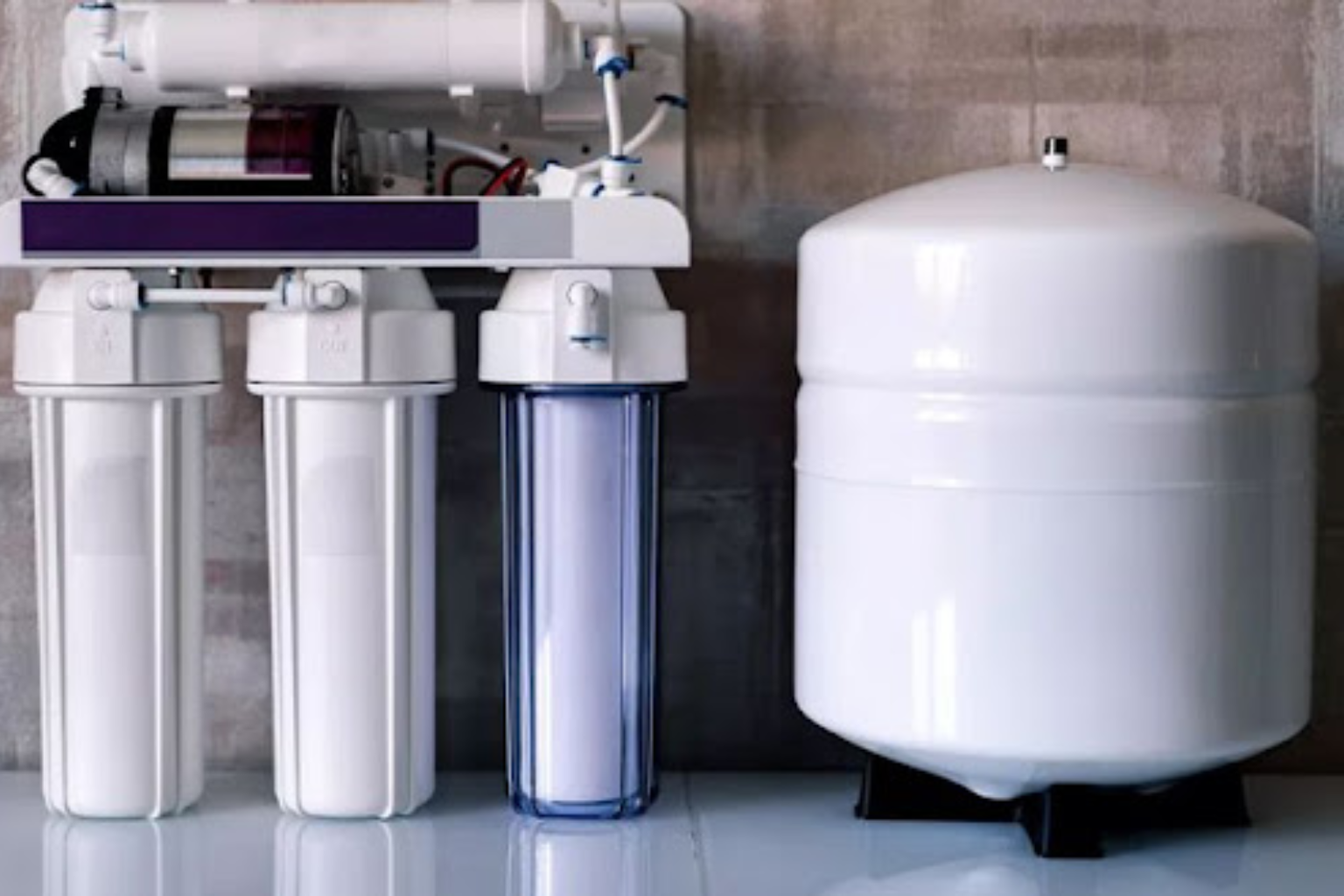
One of the reasons reverse osmosis systems are so effective is their multi-stage approach to contaminant removal.
Before reaching the membrane, water typically passes through pre-filters that remove sediments and chlorine. This protects the membrane and improves overall efficiency.
After passing through the membrane, the purified water often flows through additional filters that enhance taste and remove any remaining traces of impurities.
This layered process ensures that a wide range of contaminants — from heavy metals to microscopic particles — are significantly reduced.
The result is water that not only looks clean but also tastes noticeably fresher.
The Everyday Benefits of Reverse Osmosis
For many homeowners, the benefits of reverse osmosis become apparent almost immediately.
Drinking water tastes smoother and more neutral. Coffee and tea often have richer flavor because impurities no longer interfere with brewing.
Cooking also improves, as cleaner water enhances the natural taste of food ingredients.
Beyond taste, there’s also peace of mind. Knowing that your water has undergone thorough purification can provide reassurance, especially in areas with known water quality concerns.
It’s one of those upgrades that quietly enhances daily life in multiple ways.
Maintenance and Long-Term Performance
Like any advanced system, reverse osmosis units require regular maintenance to remain effective.
Filters must be replaced periodically, and the membrane itself may need servicing over time. Proper maintenance ensures consistent performance and extends system lifespan.
Many modern systems include indicators that alert users when maintenance is needed, simplifying the process considerably.
With proper care, reverse osmosis systems can provide reliable water purification for many years.
Choosing the Right System for Your Needs
Selecting a reverse osmosis system depends on factors such as household size, water usage, and specific quality concerns.
Water testing is often the first step, helping identify contaminants present in local water supplies.
From there, homeowners can evaluate system capacity, installation requirements, and maintenance costs to find the best fit.
Professional guidance can also help ensure optimal system performance and long-term reliability.
Looking Ahead: The Future of Water Purification
As technology continues to evolve, reverse osmosis systems are becoming more efficient and user-friendly.
New designs aim to reduce water waste, improve filtration speed, and integrate smart monitoring features.
These innovations reflect growing global interest in sustainable water management and improved household water quality.
In the future, advanced purification systems may become standard features in homes worldwide.
A Quiet Shift Toward Better Water
Water is one of life’s simplest necessities, yet its quality can have a profound impact on daily experiences.
From improving taste to reducing impurities, reverse osmosis offers a comprehensive approach to water purification that goes beyond basic filtration.