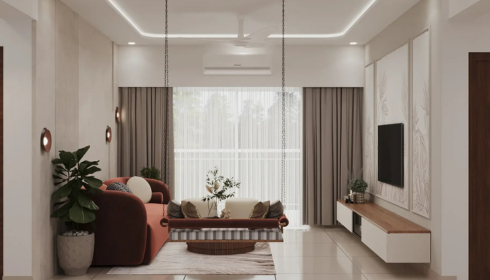
Where a House Slowly Becomes a Life: Notes on Designing Spaces That Actually Feel Like You

There’s a quiet moment that happens when you walk into a space that just feels right. You can’t always explain it. It’s not about expensive furniture or perfectly matched color palettes. It’s something softer, more personal. Almost like the room understands you before you’ve even had your morning coffee.
That, I think, is what good interior design is really about. Not perfection. Not trends. But a kind of lived-in honesty.
The Shift from Decoration to Living
For years, interiors were often treated like showrooms. You’d flip through magazines, pick what looked “luxurious,” and try to replicate it at home. But somewhere along the way, people started asking a better question: does this actually work for my life?
That’s where the idea of lifestyle focused interiors begins to matter.
Instead of designing for appearances, you start designing for habits. For routines. For the slightly chaotic way real life unfolds. A family that gathers in the kitchen more than the living room will naturally shape their home differently. Someone working late nights might crave softer lighting, quieter corners. A pet owner? Well, they’re thinking about durability before anything else.
It’s less about copying a Pinterest board and more about observing your own life—messy, beautiful, unpredictable—and letting that guide decisions.
Why Personalization Isn’t Just a Trend
There’s a subtle difference between personalization and over-customization. The first feels intuitive. The second can feel forced.
Real personalization comes from paying attention. The chair you always sit in. The way sunlight hits your room at 4 p.m. The fact that you never actually use that formal dining area.
Good designers notice these things. And they translate them into tailored design solutions that don’t scream for attention but quietly improve how you live.
Maybe it’s as simple as rethinking storage so your space feels less cluttered. Or choosing materials that age gracefully instead of staying artificially pristine. Or even just rearranging furniture so conversations happen more naturally.
There’s no one-size-fits-all formula here—and honestly, that’s the beauty of it.
The Emotional Layer of Design
We don’t talk about this enough, but spaces carry emotional weight. A room can feel calming, even if you can’t pinpoint why. Or slightly off, even if everything looks “correct.”
Part of that comes down to memory and association. The rug that reminds you of your childhood home. The wall color that feels like a warm afternoon. The slightly imperfect wooden table that somehow makes every meal taste better.
Design isn’t just visual—it’s emotional. It’s sensory. It’s about how a place makes you feel when you’re tired, or stressed, or just sitting quietly on a Sunday morning.
And this is where working with a thoughtful design studio team can make a surprising difference. Not because they impose their vision, but because they help uncover yours. They ask questions you might not think to ask yourself. They notice patterns in your preferences, your routines, your little quirks.
Sometimes, they even challenge you—in a good way.
Letting Go of the “Perfect Home” Myth
Here’s something that might feel a bit uncomfortable: the perfect home doesn’t exist.
Or at least, not in the way we’ve been taught to imagine it.
Homes evolve. They shift with time, with relationships, with seasons of life. The nursery becomes a study. The empty corner becomes a reading nook. The couch gets replaced, but the feeling of the room stays.
Chasing perfection often leads to spaces that feel frozen. Untouched. A little too careful.
Instead, think of your home as something that grows with you. A place that allows for change. For imperfection. For the occasional mismatched cushion or slightly scuffed floor.
Oddly enough, those imperfections are what make a space feel alive.
Practical Design That Still Feels Beautiful
Of course, functionality matters. There’s no point in having a beautiful kitchen if it’s frustrating to cook in. Or a stunning bedroom that doesn’t actually help you sleep.
But practical design doesn’t have to be boring.
It’s about balance. Choosing materials that are durable but still pleasing to the eye. Creating layouts that make movement easy without feeling rigid. Integrating storage in a way that doesn’t scream “utility.”
Even small changes can make a big difference. Swapping harsh lighting for warmer tones. Introducing textures—soft fabrics, natural wood, even a bit of stone. Layering elements instead of relying on a single “statement piece.”
These choices don’t just improve how a space looks—they change how it feels to live in it.
The Slow Joy of Getting It Right
One of the most underrated aspects of designing a home is that it doesn’t have to happen all at once.
In fact, it probably shouldn’t.
There’s something satisfying about letting a space come together gradually. Living in it. Adjusting things. Realizing that what you thought you wanted isn’t quite right—and then finding something better.
It’s a slower process, sure. But it leads to spaces that feel more authentic.
You start to notice what you actually need, rather than what you think you should want. And that clarity, over time, shapes a home that feels genuinely yours.
In the End, It’s About Comfort
Not just physical comfort, though that matters too. But emotional comfort. The kind that lets you relax without thinking about it.
A well-designed space doesn’t demand attention—it supports you quietly. It adapts. It holds your routines, your memories, your everyday moments.